
Germany’s political landscape is set to face a significant test as the upcoming elections mark the first electoral challenge for Chancellor Friedrich Merz’s ruling coalition. The ballots are observed closely amid concerns over the stability and direction of the government, which has been navigating economic and social issues across the country.
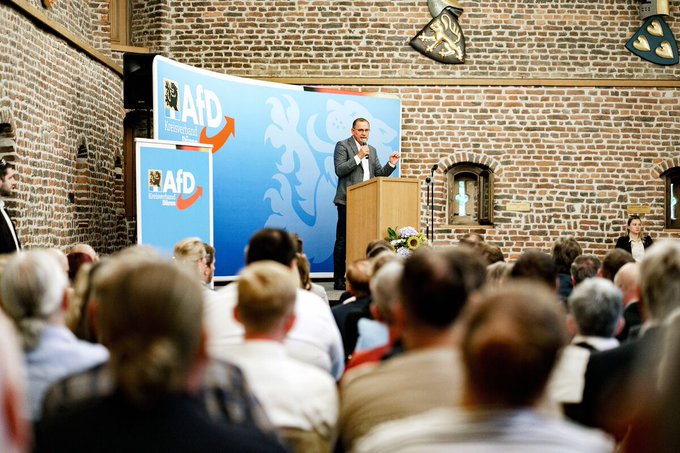
The election results are expected to see the Alternative for Germany (AfD), a right-wing populist party, increase its influence, particularly in Germany’s industrial heartland. Historically, the AfD has gained ground in regions facing economic uncertainties and has capitalized on voter dissatisfaction with mainstream parties.
Political analysts suggest that a rise in AfD support could impact the balance of power within local and national councils, potentially reshaping policy debates and governance approaches. The election’s outcome will be viewed as an indicator of broader political tendencies and public sentiment in Germany.
The results are awaited with caution by both supporters and critics of the main parties, as they could influence upcoming legislative agendas. The electoral process continues, with official results expected in the coming days, providing a clearer picture of Germany’s political direction following this key election.