
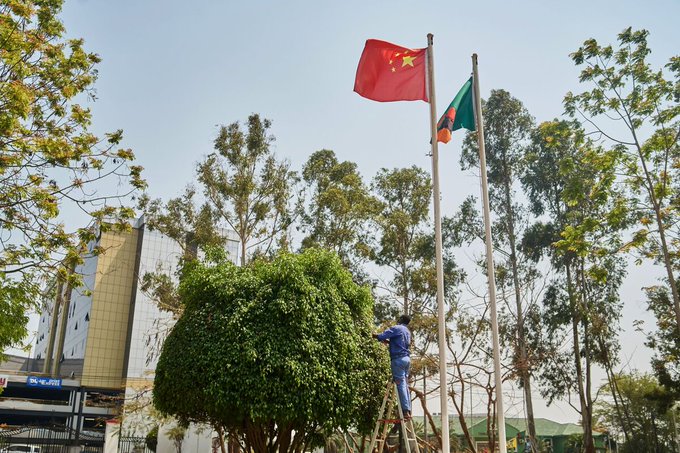
African governments have increasingly adopted Chinese surveillance technology over the past two decades, leading to concerns about the impact on democracy and civil society across the continent. Countries such as Kenya, Ethiopia, and Zambia have procured extensive surveillance systems from China, including facial recognition and data monitoring equipment, often justified by the need to enhance security and manage urban growth.
Critics argue that these technologies are being used to suppress dissent and limit civil liberties, creating a more controlled political environment. Human rights organizations have highlighted a lack of transparency and oversight in the deployment of such systems, raising fears that increased surveillance may silence opposition voices and hinder democratic development.
Chinese tech companies have expanded their presence in Africa, leveraging the continent’s growing demand for advanced security solutions. While proponents highlight the potential for improved public safety and infrastructure development, critics warn that the growing reliance on Chinese surveillance infrastructure could undermine democratic governance and civil rights.
As African nations continue to navigate the balance between security and personal freedoms, international observers are calling for greater transparency and regulation regarding the deployment of surveillance technologies. The trend underscores ongoing debates about technology, sovereignty, and human rights in the region.