
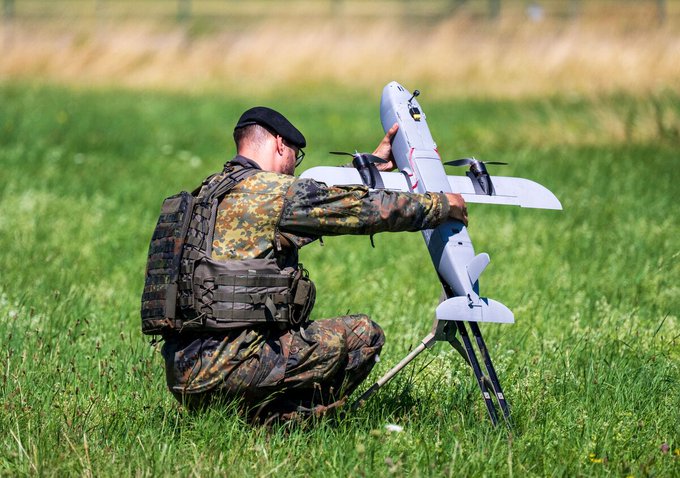
Drones have become a defining feature of modern warfare, transforming combat strategies across military forces worldwide. They offer advantages such as reduced risk to human personnel, real-time intelligence gathering, and precision strikes. Their increasing prevalence has led to significant changes in how conflicts are managed and conducted, with many armed forces investing heavily in developing and deploying unmanned aerial vehicles (UAVs).
However, the widespread use of drones also presents a complex dilemma for military strategists. While drones themselves are relatively inexpensive compared to traditional weaponry or manned aircraft, the systems and infrastructure needed to defend against them can be prohibitively costly. Countries face the challenge of balancing the advantages of drone technology with the rising expenses associated with countering potential threats, including sophisticated electronic warfare, anti-drone defenses, and other protective measures.
This economic disparity raises questions about the future dynamics of warfare, as even small and less wealthy nations may find it difficult to defend against drone attacks effectively. Experts warn that this imbalance could alter the traditional costs and risks associated with military engagement. Ensuring preparedness against drone threats will likely require strategic investments in technology and intelligence, shaping the ongoing evolution of military capabilities in the years ahead.