
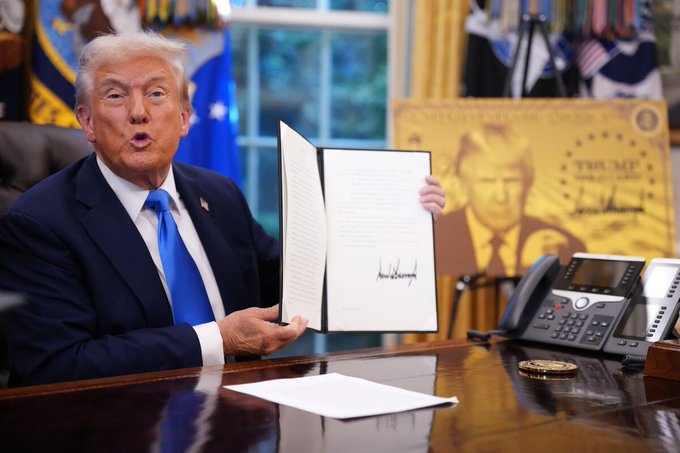
Former President Donald Trump’s proposal to impose a $100,000 fee for H-1B visa applications has garnered attention as a measure that could potentially safeguard American jobs. Proponents, including some commentators, argue that the hefty fee would discourage employers from relying heavily on foreign skilled workers, thereby prioritizing employment opportunities for U.S. nationals.
However, critics warn that such a significant fee could have negative consequences. They suggest it might reduce the competitiveness of U.S. companies in attracting global talent, particularly in high-tech industries, and could lead to decreased innovation and economic growth. Additionally, there are concerns that the increased cost could result in fewer visa issuances altogether, impacting industries that depend on international skilled labor.
The proposal has sparked a broader debate about balancing the protection of American employment with maintaining a competitive edge in the global economy. While some see the fee as a means of safeguarding jobs, others emphasize the risks of diplomatic and economic setbacks if the policy leads to a significant decline in foreign talent coming to the U.S.
As discussions continue, experts advise weighing the potential benefits of job protection against the possible drawbacks of reduced international collaboration and economic vitality. Policy-makers are closely watching the evolving debate, which reflects broader tensions surrounding immigration and economic strategy in the United States.