
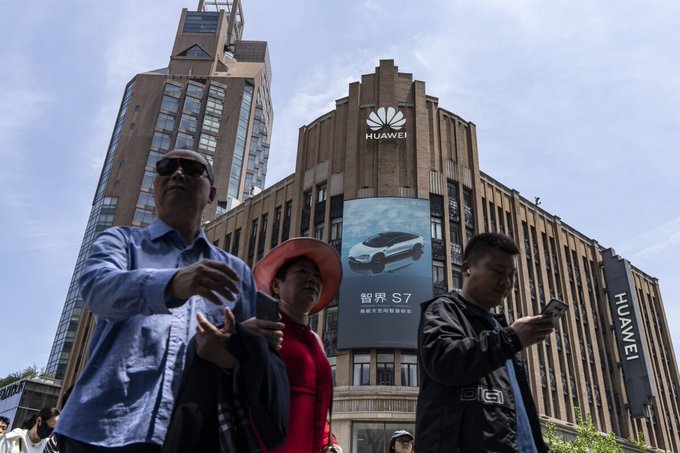
Huawei has publicly acknowledged that its semiconductor chips currently fall short of Nvidia’s offerings in terms of raw processing power and speed. The Chinese technology company, known for its advancements in telecommunications and consumer electronics, confirmed that its silicon technology has not yet reached the performance levels of leading industry counterparts like Nvidia, which specializes in graphics processing units (GPUs) and AI accelerators.
This admission marks a rare instance of transparency from Huawei regarding its chip development capabilities amid ongoing global competition in the semiconductor sector. Huawei has historically faced challenges due to U.S. export restrictions that limit access to certain advanced semiconductor manufacturing equipment and technologies. Despite these hurdles, the company continues to invest heavily in its chip design and alternative manufacturing partnerships.
Industry analysts suggest that Huawei’s acknowledgment underscores the competitive gap in high-performance computing and AI acceleration that many Chinese tech firms are working to bridge. While Huawei’s chips may currently lag in raw speed compared to Nvidia’s state-of-the-art products, the company remains committed to innovation and improving its semiconductor technology through ongoing research and development efforts.
Overall, Huawei’s statement highlights the complex landscape of global semiconductor competition, where technological leadership is pivotal for dominance in emerging sectors like artificial intelligence and advanced computing. The company’s candidness may signal a focus on targeted improvements, even as it navigates the broader geopolitical and supply chain challenges impacting its growth.