
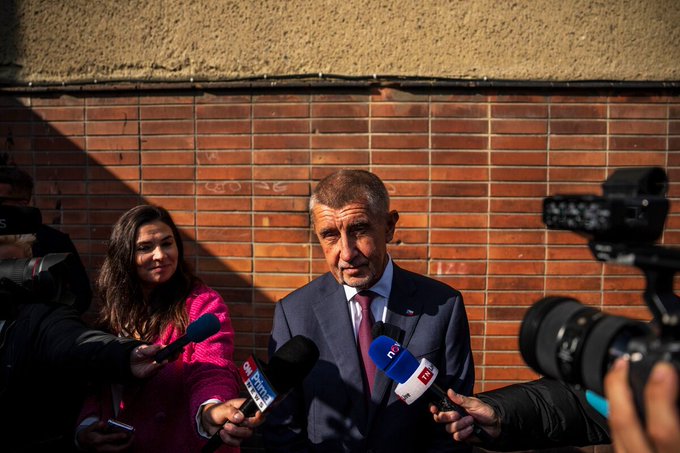
Czech billionaire and former Prime Minister Andrej Babis has secured a significant victory in the country’s latest parliamentary elections, positioning him to potentially return to power. Babis, leader of the populist ANO party, led his coalition to a decisive win, according to early election results. His campaign focused on reversing four years of austerity measures implemented by the current government and emphasizing a shift in foreign policy, particularly through proposing reductions in military aid to Ukraine.
The election results signal a possible change in the Czech Republic’s direction on both domestic and foreign policies. Babis has characterized his agenda as a move toward economic revitalization and social support, contrasting with the current government’s austerity and its stance on international aid. The outcome reflects ongoing debates within the country about economic management and the country’s role in regional security issues.
Political analysts note that Babis’s potential return to power could influence Czech policy on NATO and its support for Ukraine amid ongoing regional tensions. While the opposition has raised concerns about economic stability and international commitments, Babis’s supporters cite his experience and promises of economic growth as reasons for their backing. Official government formation processes are expected to follow as parties negotiate to establish a coalition, amid a competitive electoral landscape.
With the results largely favoring Babis, Czech voters face questions about the future direction of national policy in both domestic affairs and its foreign relations, particularly regarding the ongoing conflict in Ukraine. The political developments will likely have implications for the country’s alliances and security strategies in the months to come.