
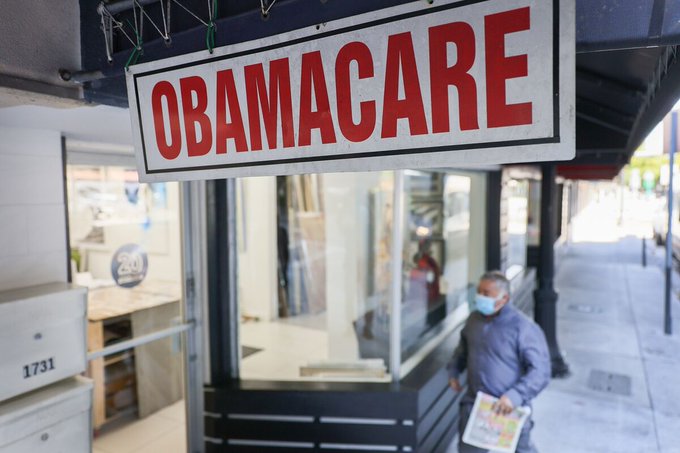
Health insurance subsidies have become a focal point in the ongoing US government shutdown debate, highlighting geographic and political disparities. According to recent analysis, the subsidies that help make health insurance more affordable tend to disproportionately benefit regions represented by Republican lawmakers. These areas have a higher concentration of individuals receiving federal assistance through health insurance programs, which has intensified scrutiny amid the budget impasse.
Critics argue that the distribution of subsidies reveals underlying political and regional inequalities, as many Democratic-leaning states receive less federal support despite similar or higher needs. Supporters of the current system contend that the subsidies are a vital safety net for low- and middle-income Americans and are necessary regardless of political considerations. The dispute over funding has paused various government operations and created uncertainty for millions of Americans relying on subsidies for their health coverage.
The debate underscores broader tensions over federal health policy and resource allocation, with lawmakers divided over how to address the funding crisis. As negotiations continue, affected communities await clarity on whether the subsidies will be maintained, potentially impacting access to healthcare services nationwide. This issue remains a key element in the ongoing political confrontation that has led to the government shutdown.