
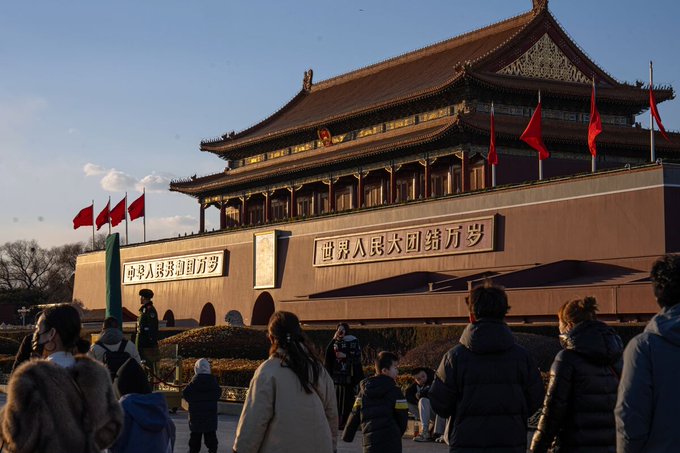
Amid ongoing diplomatic negotiations, former President Donald Trump is advancing efforts to forge a trade agreement with China, the United States’ largest economic and strategic rival. The initiative signals a continued interest in engaging with Beijing to address trade concerns and economic ties, despite ongoing tensions over issues such as technology, security, and human rights.
Inside the U.S. government, however, there is emerging tension among policymakers. Advocates of a more confrontational approach to China, who prioritize a tougher stance on trade, technology, and security measures, express concern that their perspectives are being marginalized. They worry that the growing influence of the tech industry within the administration is skewing policy decisions toward cooperation and engagement, potentially at the expense of stronger regulatory or restrictive measures.
The tech sector’s influence has increased as industry leaders advocate for policies that promote innovation and access to Chinese markets. This shift has sparked debate among policymakers on how to balance economic interests with national security concerns. While some officials continue to push for assertive measures, others emphasize diplomacy and potential economic collaboration as part of broader strategic considerations.
As negotiations and internal discussions unfold, the administration faces the challenge of reconciling different viewpoints. The outcome will likely shape the future direction of U.S. policy toward China, balancing economic opportunities with national security priorities. The debate underscores the complex and evolving nature of U.S.-China relations in the current geopolitical landscape.