
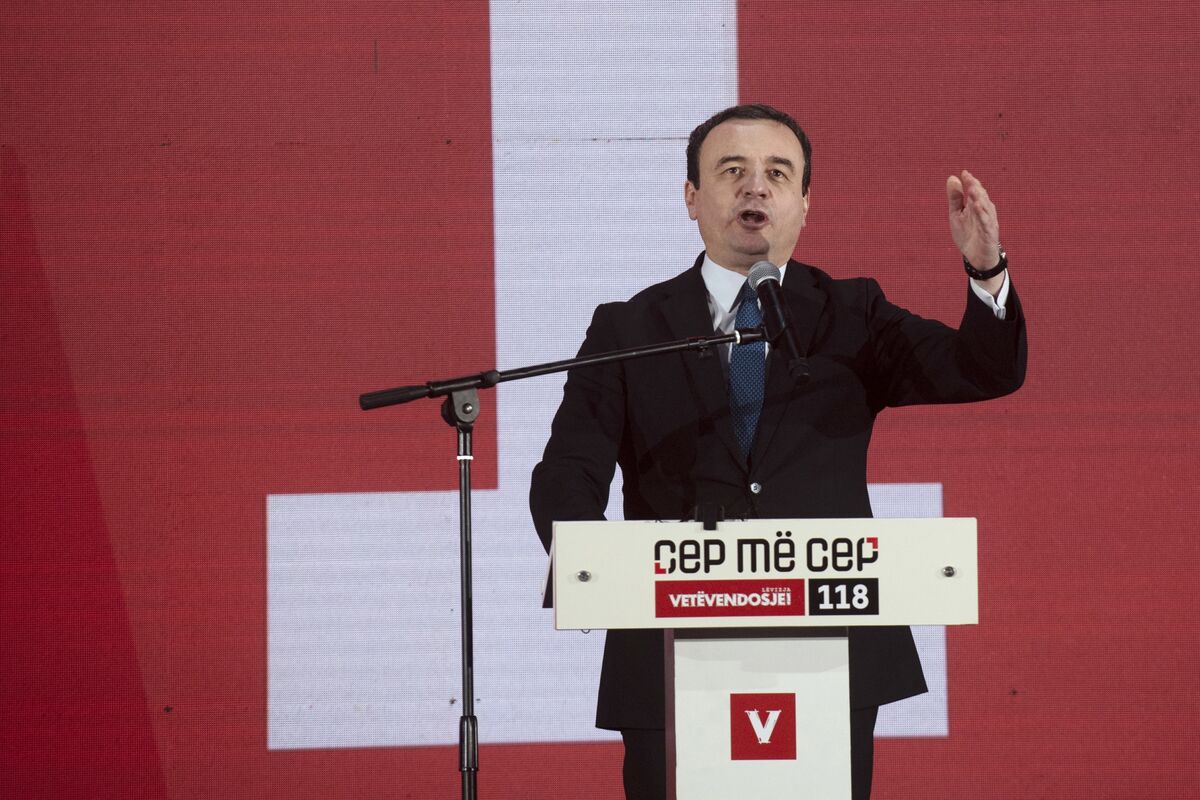
Kosovo is moving toward a snap parliamentary election following the failure of Prime Minister Albin Kurti to form a new government. The political deadlock was evident after a vote on Sunday, in which Kurti’s proposal for a new government did not garner enough support from the Assembly. The rejection has created uncertainty about the country’s leadership and the potential next steps.
Kurti, who leads the Self-Determination Party, faced opposition from other political factions, which prevented him from securing a majority coalition in the 120-seat parliament. The inability to form a government has prompted calls for new elections to resolve the political impasse. Under Kosovo’s constitution, if a government cannot be formed within a set timeframe, a snap election typically follows to restore parliamentary stability.
The opposition and government critics have expressed concerns about the political uncertainty affecting Kosovo’s stability and international relations. Meanwhile, Kurti’s party has stated its commitment to working toward a resolution that would allow for governance to continue, but the timeline remains uncertain. The upcoming election is expected to be a significant event, potentially reshaping Kosovo’s political landscape and its path forward.