
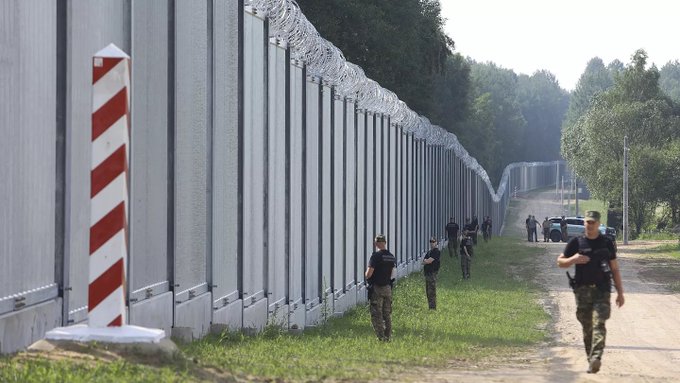
Recent commentary highlights a shift in Western attitudes towards borders, emphasizing that borders are not merely geographical lines but also moral and political boundaries. The article argues that Western countries have often overlooked the ethical considerations associated with national borders, especially in times of crises such as mass migrations and refugee flows.
The discussion points to a tendency among Western nations to prioritize ideological openness and economic interests over the moral responsibilities linked to border sovereignty. Critics suggest this approach can undermine national security and social cohesion, raising questions about the balance between humanitarian obligations and the integrity of state borders.
Experts cited in the piece warn that neglecting the moral dimension of borders may lead to greater international instability. They advocate for a more nuanced understanding of border policy—one that respects both humanitarian needs and the rights of sovereign states to control their territorial boundaries.
The article concludes by urging Western policymakers to reexamine their approach, acknowledging that borders serve not only practical purposes but also moral and ethical roles in defining national identity and security. Striking this balance, the author suggests, is crucial for maintaining stability within and among nations.