
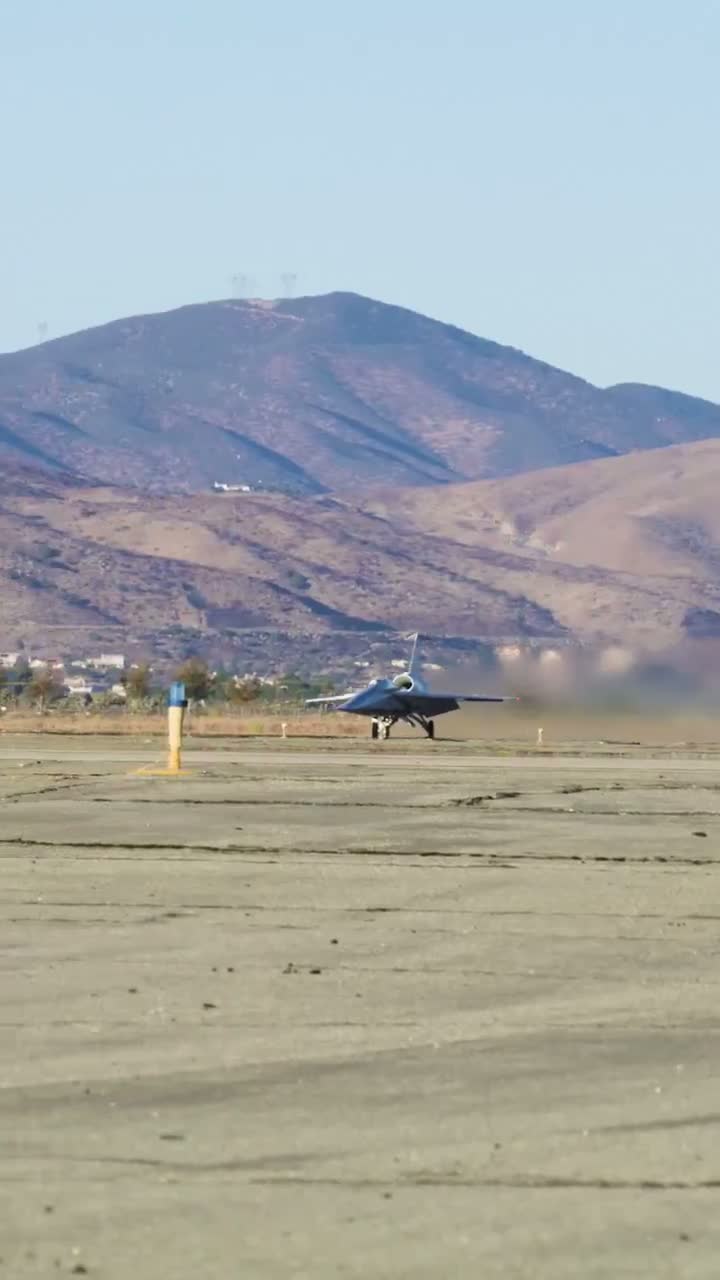
Lockheed Martin, in partnership with NASA, has successfully completed the first flight of the X-59, a pioneering silent supersonic aircraft. The flight, which marked a significant milestone in aerospace innovation, aimed to demonstrate the aircraft’s capabilities and its potential to reduce sonic booms that have historically limited the use of supersonic travel over populated areas.
The X-59 was developed as a single prototype designed to emit minimal noise when flying at supersonic speeds. This advancement could pave the way for a new era of faster air travel, potentially allowing for quieter flights that do not disturb communities beneath traditional supersonic routes. The aircraft’s design emphasizes both performance and environmental considerations, aligning with ongoing efforts to make high-speed travel more sustainable.
This first flight is seen as a crucial step in testing and validating the aircraft’s technology and design. Industry observers suggest that if subsequent phases of testing are successful, the X-59 could influence the future of commercial supersonic travel, opening up new regional and transoceanic routes. While the aircraft remains in experimental phases, its development signals a forward-looking approach to overcoming longstanding challenges associated with high-speed aviation.
As the project advances, stakeholders from aerospace and civil aviation sectors will be closely watching to see if the silent supersonic aircraft can move closer to operational deployment. The collaboration between Lockheed Martin and NASA underscores ongoing efforts to innovate and address regulatory and environmental hurdles in the quest for quieter, faster air travel.