
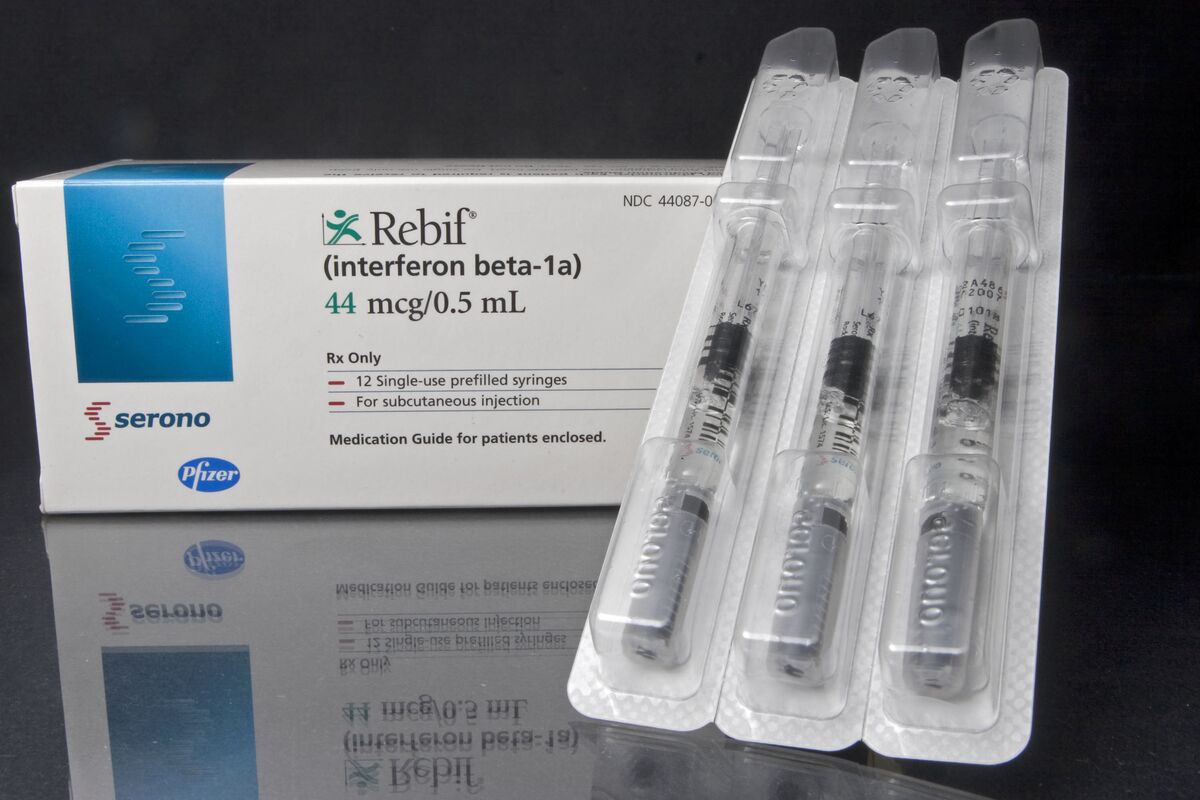
Drug prices for older medications do not always decrease over time, contradicting the common assumption that generics and established drugs become cheaper as they age. A recent edition of the Prognosis newsletter explores the factors that influence pricing trends, highlighting that various market and policy dynamics can keep costs elevated despite the availability of generic alternatives.
The newsletter notes that some drug manufacturers maintain high prices for older treatments due to limited competition, manufacturing complexities, or strategic pricing decisions. Additionally, patent protections and legal challenges can delay the entry of lower-cost generics into the market, prolonging higher prices for certain medications. These factors can lead to sustained expenses for consumers and healthcare providers alike.
The analysis also discusses recent political developments, particularly the efforts under former President Donald Trump’s administration to negotiate or restrict drug prices. Critics argue that some of these initiatives have overlooked or excluded certain costly treatments, thus limiting their potential to reduce overall drug expenditures. This has raised concerns about whether such policies adequately address the complexities of drug pricing and access.
Overall, the newsletter underscores that drug pricing remains a multifaceted issue influenced by market forces, regulatory actions, and political decisions. While efforts have been made to control costs, the reality is that not all older drugs see significant price reductions, especially those that are omitted from recent policy measures.