
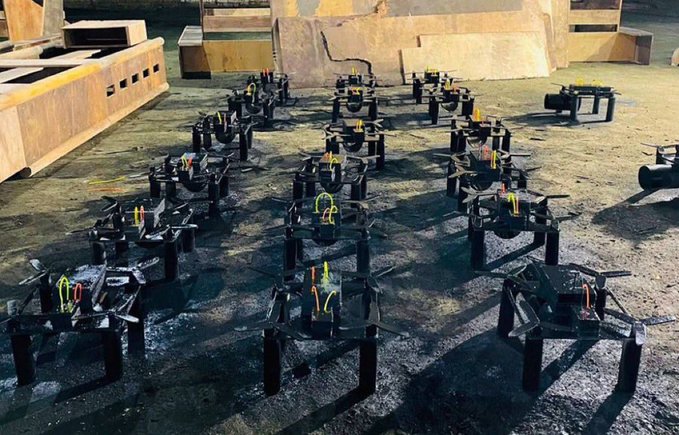
Ukraine has begun deploying FPV-drone decoys as part of its military strategy. These decoys are positioned near roads frequently used by Russian forces and are designed to mimic “waiting drones,” which typically land near roads and then take off to engage enemy units at close range.
The purpose of the decoys is to deceive Russian forces into wasting real drones attempting to target what they believe are active threats. By mimicking attack drones, the decoys aim to force Russian troops to use valuable resources on false targets, potentially reducing their effectiveness in actual combat situations.
This tactic reflects ongoing innovations in drone warfare, where decoys and deception play increasing roles in battlefield strategy. Analysts suggest that such methods could complicate Russian reconnaissance and attack patterns, although the full impact of these decoys remains to be seen.
Ukraine’s use of FPV-drone decoys highlights the evolving nature of modern conflict, as both sides continue to adapt to the advantages provided by drone technology. The effectiveness of these deceptive techniques could influence future developments in drone warfare tactics.