
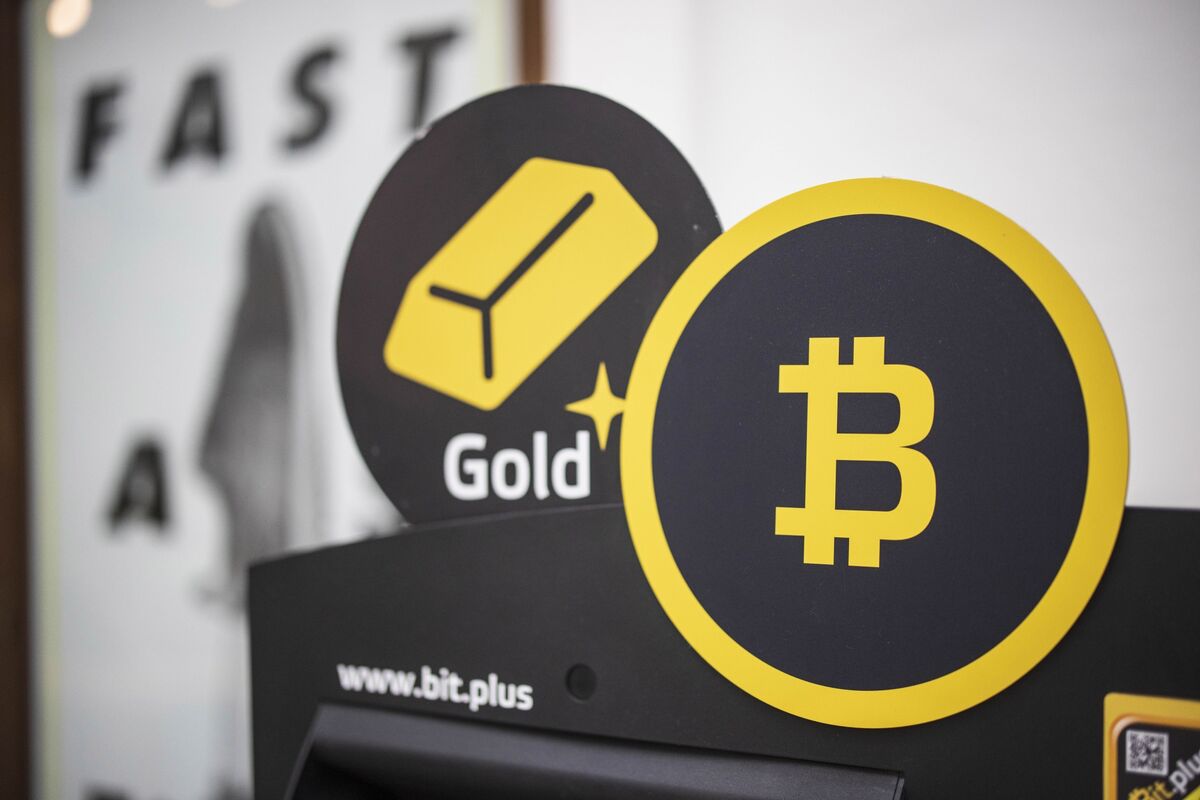
Gold and Bitcoin have long been regarded as alternative assets that can serve as a hedge amid economic uncertainty, often described collectively as beneficiaries of the so-called “debasement trade.” This strategy involves holding assets perceived to retain value or appreciate when fiat currencies lose purchasing power due to inflation or monetary easing. Gold has traditionally been viewed as a store of value for centuries, while Bitcoin has gained popularity more recently, frequently labeled as “digital” gold due to its limited supply and decentralized nature.
Despite these commonalities, there are notable differences between the two assets. Gold is a tangible physical commodity that has served as money and a safe haven for thousands of years. Its value is driven by its physical properties, industrial uses, and perceptions of stability. Bitcoin, on the other hand, is a digital asset created through blockchain technology, with its value largely driven by market sentiment, technological factors, and its scarcity fixed by protocol.
Investors often compare Bitcoin to gold when seeking assets that can protect against currency debasement, particularly in environments of rising inflation. However, enduring questions remain regarding Bitcoin’s volatility, regulatory risks, and whether it can truly serve as a stable store of value over the long term. Gold’s longstanding history as a safe haven remains unmatched, though its physical nature and storage requirements distinguish it from the digital realm Bitcoin inhabits.
Overall, while both gold and Bitcoin are seen as potential beneficiaries of monetary debasement, their intrinsic characteristics differ significantly. Investors should consider these differences closely when positioning their portfolios, understanding that Bitcoin’s rapidly evolving landscape introduces different risks and opportunities compared to traditional gold.