
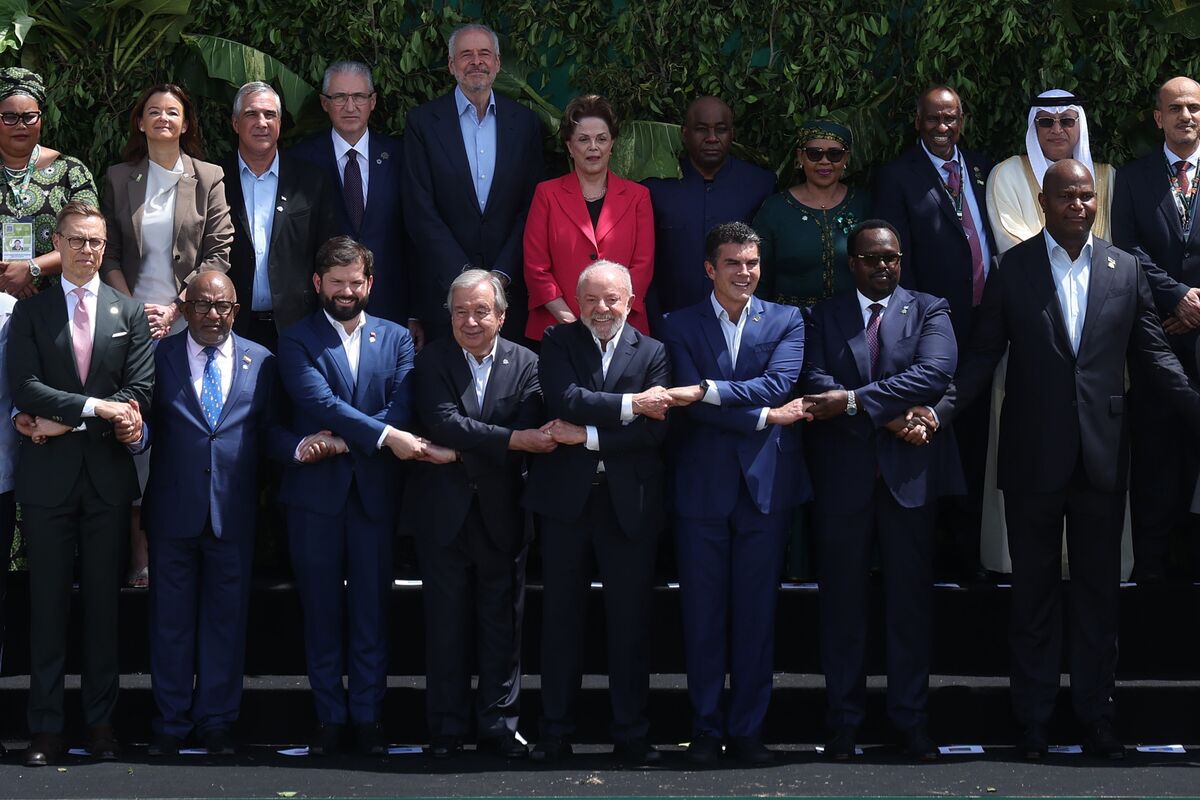
Brazilian President Luiz Inácio Lula da Silva faces a complex balancing act as the country prepares to host the COP30 UN climate talks. The event, scheduled to take place in Brazil, positions the nation at the center of global climate discussions. However, Lula’s efforts to promote economic growth while prioritizing environmental sustainability could pose challenges, as stakeholders scrutinize Brazil’s commitments and policies.
Hosting COP30 offers Brazil an opportunity to showcase its environmental initiatives and leadership in climate action. Yet, the government must navigate domestic economic pressures, including the need to bolster industry and agricultural sectors, against the international expectation for concrete environmental measures. Critics warn that prioritizing economic development without strong environmental safeguards could undermine Brazil’s credibility within the climate community.
Lula’s administration emphasizes that climate action and economic growth are not mutually exclusive. Still, balancing these often competing priorities requires careful policy management. As the conference approaches, Brazilian officials are under pressure to demonstrate progress toward sustainable development goals, while also maintaining economic stability. The outcome of these efforts will likely influence Brazil’s international reputation and its role in global climate governance.