
Published 2026-04-25

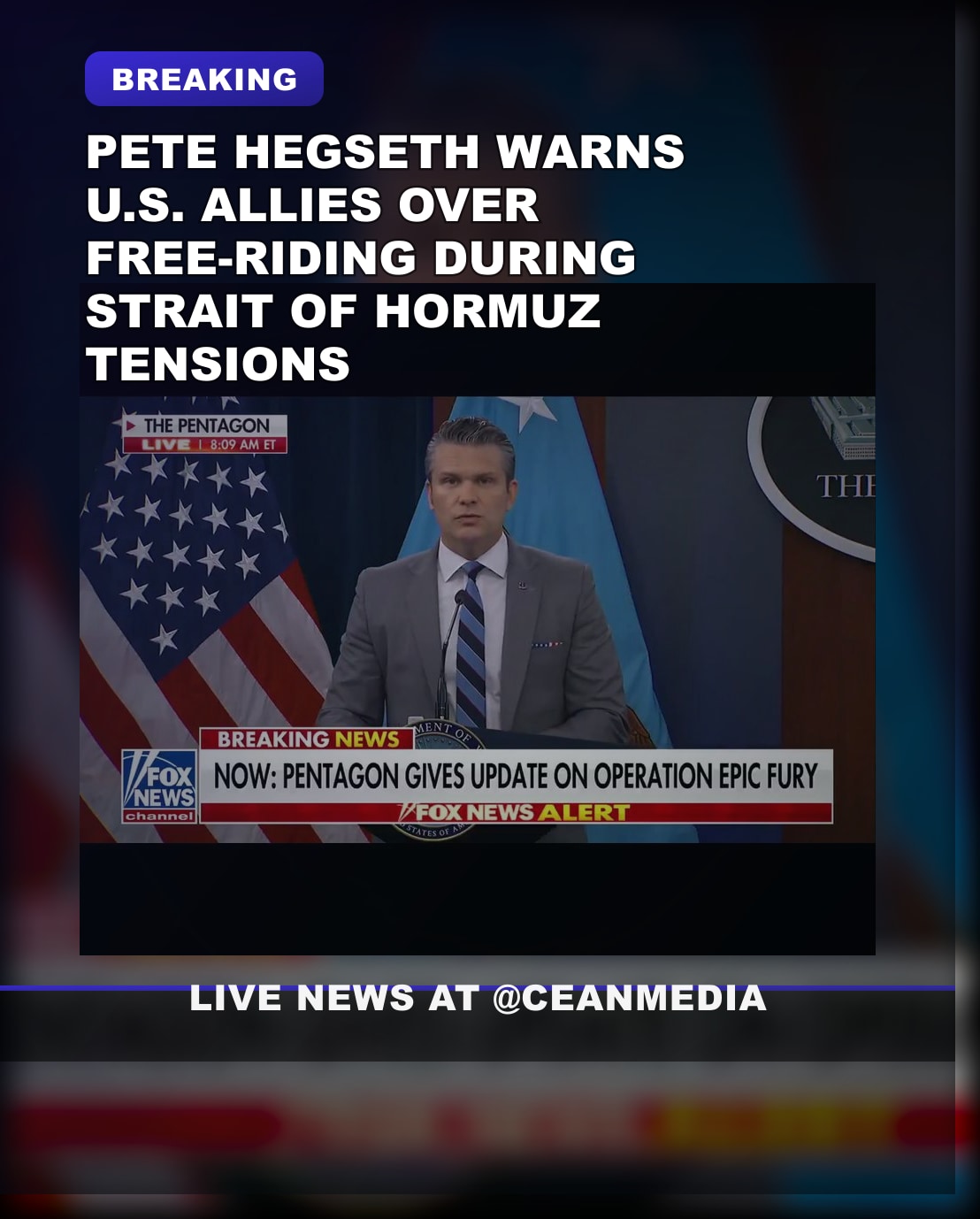
Summary: U.S. Defense Secretary Pete Hegseth has reportedly pressed allies to stop what he described as “free riding,” telling European and Asian partners that contributions to defense and collective security must increase. The comments reference broad concerns about allied duties toward regional security and defense commitments.
What We Know
- Reports quote Pete Hegseth telling U.S. allies that “the time for free riding is over.”
- The remarks are connected to discussions of NATO allies and international defense contributions.
- Coverage of the statements appeared in outlets including HuffPost and The Irish Times.
- Context cited references to strategic protection roles in regions such as the Strait of Hormuz contextually impacting allied responsibilities.
- The language used portrays a call for greater allied defense spending or contributions to shared security efforts, though exact wording across reports varies.
What’s Still Unclear
- The exact date and event during which Hegseth made the remarks are not clearly specified in the available information.
- Specific list of targets or groups labeled as “allies” (e.g., European, Asian NATO members, or others) is not definitively confirmed.
- Details on the scope of expected contributions (military, financial, logistical) are not explicit in the provided sources.
- Whether the comments were tied to a particular ongoing crisis or broader policy messaging remains unclear.
Context
General background: In defense and international relations discourse, leaders sometimes urge allied countries to share burdens more evenly for regional and global security. Public statements of this nature can reflect ongoing debates about defense expenditures, alliance commitments, and collective defense frameworks.
Why It Matters
Whether framed as a policy stance or a strategic message, prompting allies to increase contributions could influence alliance dynamics, defense budgeting, and regional security calculations. The reception of such rhetoric among partner nations may affect cohesion within existing security arrangements.
What to Watch Next
- Follow-up statements from U.S. officials on allied defense contributions and any formal policy proposals.
- Reactions from European and Asian partners regarding funding, equipment, or operational commitments.
- Media coverage clarifying contexts, dates, and the specific audiences addressed.
- Official clarifications or corrections from the White House or defense department, if any.
FAQ
Q: What exactly did Hegseth say about free riding?
A: Based on the reports, he described the time for free riding as over and called for greater allied contribution, but exact wording varies across outlets.
Q: Who were the allies addressed?
A: The available sources reference European and Asian allies broadly; specific nations are not confirmed in the provided information.
Related coverage
- Loosdrecht asylum protest continuous days: Residents rally
- El Salvador gang members selection: Selected Individuals
- Trump hints at tariffs on UK digital tax
Source Transparency
- This article is based on a short preliminary brief and may not reflect the full details available in ongoing reporting.
- Source links are provided in the Sources section where available.
- A limited open-web check was used to clarify key details when possible; unclear items remain clearly marked.
Original brief: SecWar Pete Hegseth tells U.S. allies, “the time for free-riding is over”
“We barely use the Strait of Hormuz as a country. Our energy doesn’t flow through there.[…] Europe and Asia have benefited from our protection for decades, but the time for free-riding is over.”…
Sources
- 'The Time For Free Riding Is Over': Hegseth Slams U.S. Allies Amid …
- Hegseth tells US allies 'time for free-riding is over'; White House …
- 'Free-riding' U.S. allies that don't step up 'will face consequences …
- No More Free Riding, It's Time to Step Up! US Secretary of Defense …
- No More Free Riding, It's Time to Step Up! US Secretary of Defense …