
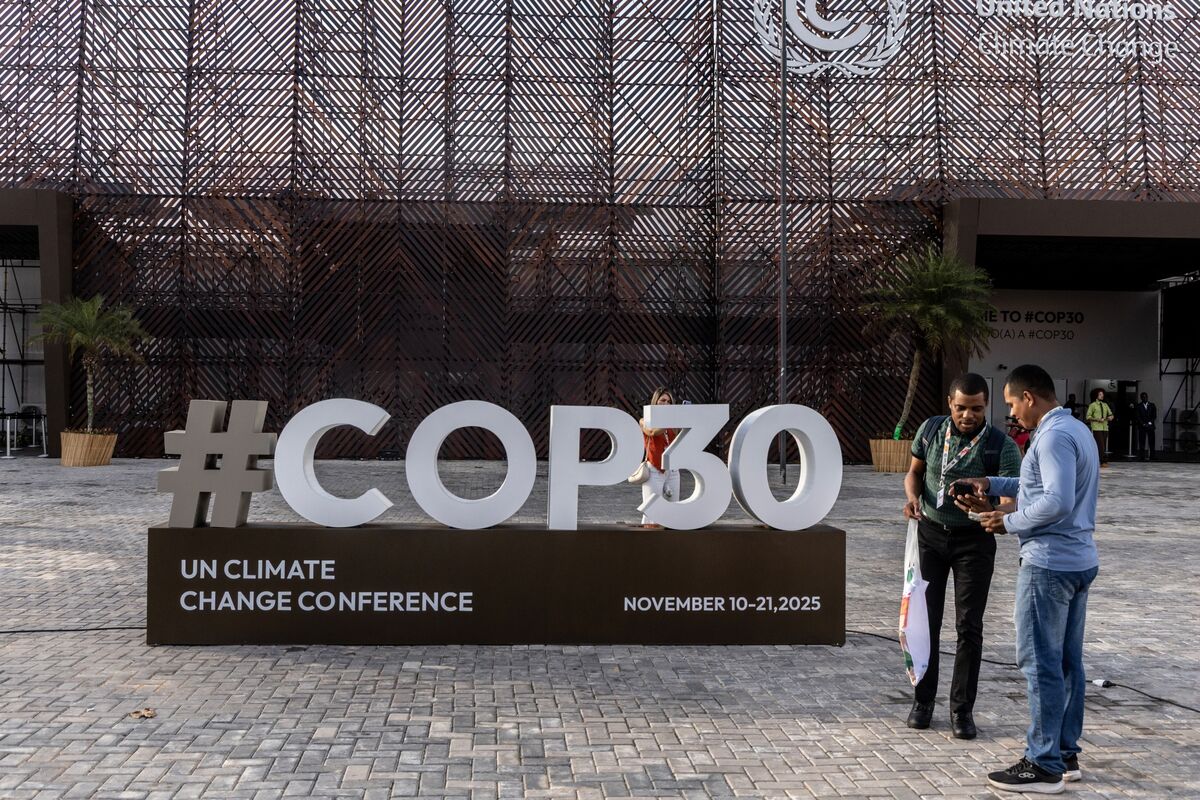
Delegates from nearly 200 countries have convened in Brazil for the United Nations’ COP30 climate conference, marking a significant international gathering aimed at addressing global environmental challenges. The conference brings together policymakers, scientists, and activists to discuss strategies for reducing greenhouse gas emissions, protecting biodiversity, and advancing sustainable development initiatives worldwide.
Key participants include representatives from major economies such as the United States, China, India, and the European Union, alongside numerous smaller nations. These delegates are expected to negotiate commitments and review progress on existing climate agreements, with a focus on implementing actionable plans to meet the goals set out in the Paris Agreement.
The COP30 discussions are also anticipated to tackle issues related to climate finance, adaptation efforts, and technological innovation. As climate change impacts become more severe, the conference serves as a critical platform for fostering international cooperation and accountability in pursuit of a more sustainable future.
The outcome of COP30 will likely influence global climate policies in the coming years, with impacts on energy transition strategies and environmental protections worldwide. The gathering underscores the increasing urgency for collective action to address one of the most pressing issues of our time.