
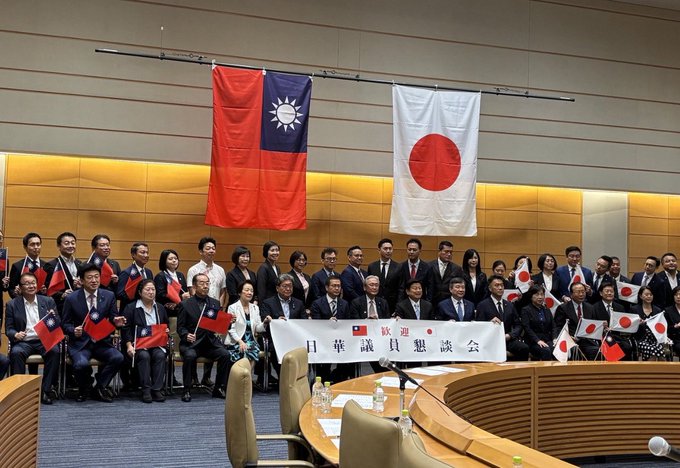
Japan and Taiwan have reaffirmed their stance against Chinese Communist Party’s threats and pressure, emphasizing their commitment to regional security and stability. Both nations have expressed reluctance to yield to Beijing’s diplomatic and military pressures, underscoring their resolve to maintain sovereignty and security in the face of growing assertiveness from China.
In Japan, legislation initially enacted in 2015 during Shinzo Abe’s administration—known as the Legislation for Peace and Security—remains in effect. This legal framework allows Japan’s Self-Defense Forces to participate in collective defense operations, including the potential to assist in defending Taiwan in situations deemed life-threatening. Japanese officials have stated that this legislation enables a more flexible response to regional crises, aligning with Japan’s security interests.
Taiwan, meanwhile, continues to bolster its defenses amid rising tensions with China. Taipei has called for international support and has maintained close security ties with allies, including Japan. The two countries have emphasized their shared interest in regional stability and have signaled their readiness to respond collectively to any threats that jeopardize their security and sovereignty.
The developments highlight ongoing regional concerns over China’s military activities and diplomatic pressure, with Japan and Taiwan asserting their willingness to uphold their security commitments and resist external coercion. While diplomatic tensions persist, both governments stress the importance of maintaining peace and stability in the Indo-Pacific region.