
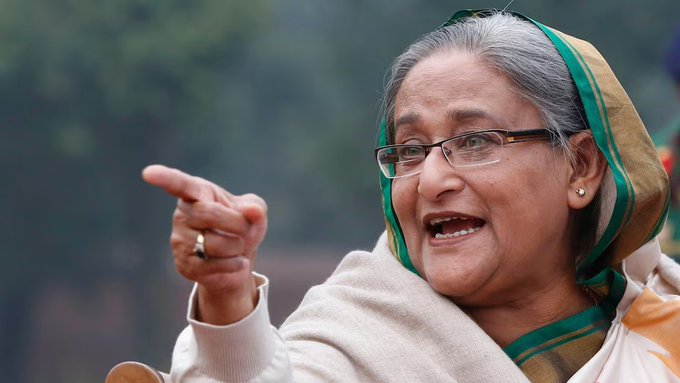
A court in Bangladesh has sentenced former Prime Minister Sheikh Hasina to death in absentia on charges of crimes against humanity. The verdict pertains to her alleged role in the violent suppression of student protests that occurred last year, which contributed to the destabilization and eventual collapse of her government.
Sheikh Hasina and several of her aides are accused of involvement in the use of excessive force during the protests, resulting in the deaths of multiple civilians. The case has heightened political tensions within Bangladesh, with supporters viewing the proceedings as politically motivated, while opponents assert they seek justice for the victims.
The legal proceedings against Hasina mark a significant development in Bangladesh’s ongoing efforts to address past violence and ensure accountability. Hasina has not been present at the court during the sentencing and is currently abroad, with her legal team indicating plans to challenge the ruling.
This development has drawn mixed reactions domestically and internationally, with concerns about the fairness of the trial and its implications for Bangladesh’s political stability. The government has affirmed its commitment to the rule of law, while opposition leaders have called for calm and dialogue amid the controversy.