
Published 2026-04-19
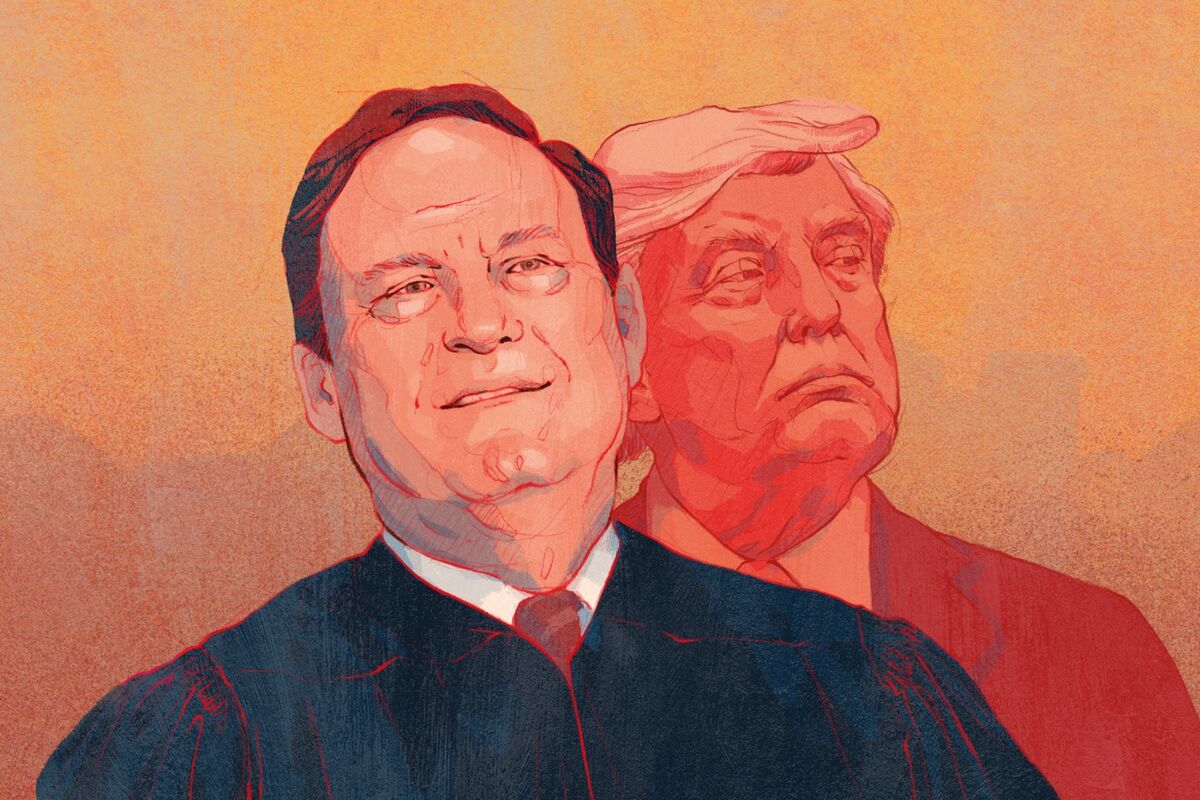
Summary: A new biography portrays U.S. Supreme Court Justice Samuel Alito as someone who continues to engage with the cultural battles rooted in the 1960s, framing his influence as a significant factor in contemporary political and legal discourse, including his role as a legal advocate associated with Trump.
What We Know
- Samuel Alito is an associate justice of the Supreme Court of the United States, nominated by President George W. Bush and serving since early 2006.
- A biography and related discussions describe Alito as influential in cultural and legal debates that trace back to the 1960s.
- There is coverage linking Alito’s jurisprudential approach to shaping conservative legal movements and ongoing cultural debates in the United States.
- Reports note that Alito’s prominence appears in discussions about conservative legal advocacy in the Trump era.
- The available sources present a narrative about Alito’s enduring influence on legal and cultural disputes, without detailing specific cases or rulings in this summary.
What’s Still Unclear
- Whether the claim that Alito directly echoed or revived 1960s cultural battles is definitively supported by the cited sources.
- Specific examples or events illustrating Alito’s influence in Trump-era political or cultural battles are not clearly delineated in the provided material.
- The extent of Alito’s personal involvement in political advocacy beyond his judicial decisions remains unspecified.
- How other observers frame Alito’s influence relative to broader conservative legal movements is not quantified here.
Context
Context: Alito is a long-serving Supreme Court justice whose approach and opinions are widely discussed in relation to conservative legal thought. The interplay between the judiciary and evolving cultural issues has been a feature of American political discourse for decades, with observers sometimes tracing contemporary debates to earlier eras.
Why It Matters
Understanding how senior justices influence or reflect ongoing cultural and legal battles helps readers gauge the potential direction of U.S. law and public policy, particularly in areas where culture and constitutional interpretation intersect. The discussion around Alito may shed light on how legal philosophy can align with or shape political movements and public discourse.
What to Watch Next
- New interviews or essays from the biography’s author that elaborate on Alito’s influence and specific arguments.
- Follow-up analysis on how Alito’s past decisions are viewed in today’s political and cultural debates.
FAQ
Q: Who is Samuel Alito in this narrative?
A: He is the Supreme Court justice described as continuing engagement with cultural battles rooted in the 1960s, influencing conservative legal discourse.
Q: What is the claimed connection to Trump?
A: The sources indicate that the biography frames Alito as a key legal advocate in the Trump era, but specifics are not detailed in the provided materials.
Related coverage
- Vitol first-quarter profit guidance renews lender confidence
- DOGE technical analysis: Market Snapshot and Key Levels
- LINK technical analysis: ETF flows mix ahead of key levels
Source Transparency
- This article is based on a short preliminary brief and may not reflect the full details available in ongoing reporting.
- Source links are provided in the Sources section where available.
- A limited open-web check was used to clarify key details when possible; unclear items remain clearly marked.
Original brief: A new biography argues Samuel Alito is still fighting the cultural battles of the 1960s — helping make him a key legal advocate for Trump….
Sources
- Samuel Alito – Wikipedia
- My Interview with Peter Canellos, Author Of “Sam Alito and the Triumph …
- Samuel Alito's Ongoing Influence in U.S. Legal and Cultural Battles
- How Did Samuel Alito Become This Angry? – The Atlantic
- The Arc of Justice Alito | Josh Blackman – civitasinstitute.org