
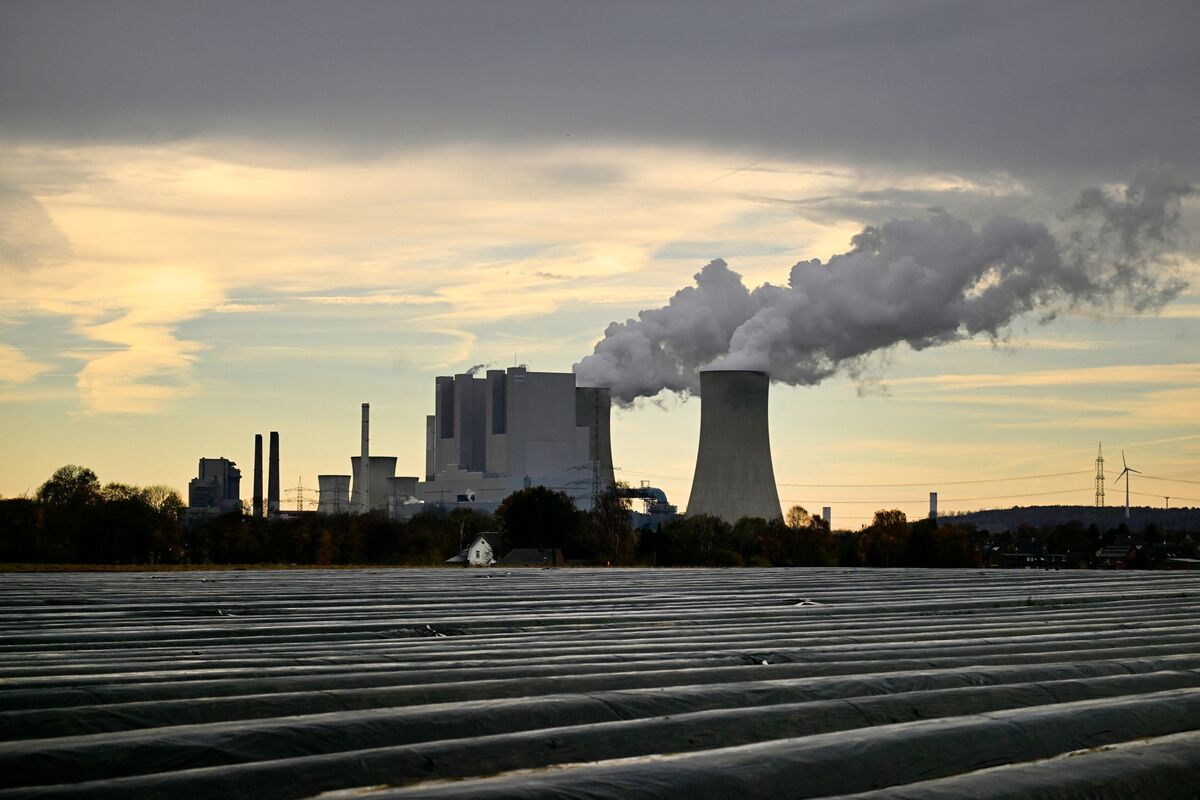
Power generation from fossil fuels in Germany has increased to levels not seen in nearly nine months, according to recent reports. The surge is primarily attributed to the ongoing cold weather conditions, which have heightened demand for electricity, and lower wind speeds, which have reduced renewable energy output.
The rise in fossil fuel-based power generation indicates a temporary shift in Germany’s energy mix, as the country continues to balance its efforts toward renewable energy sources with the need for reliable supply during periods of adverse weather. Experts note that such fluctuations highlight the challenges of maintaining a stable energy grid as renewable sources remain variable.
Energy analysts suggest that the current situation underscores the importance of diversifying energy sources and enhancing storage solutions to better manage supply during seasonal and weather-related disruptions. Despite the increase in fossil fuel use, Germany remains committed to transitioning toward more sustainable energy production, though temperatures and wind conditions remain key factors influencing supply stability.
The German government continues to monitor the situation closely, emphasizing the importance of a resilient energy infrastructure that can adapt to dynamic weather patterns while progressing toward long-term renewable energy goals.