
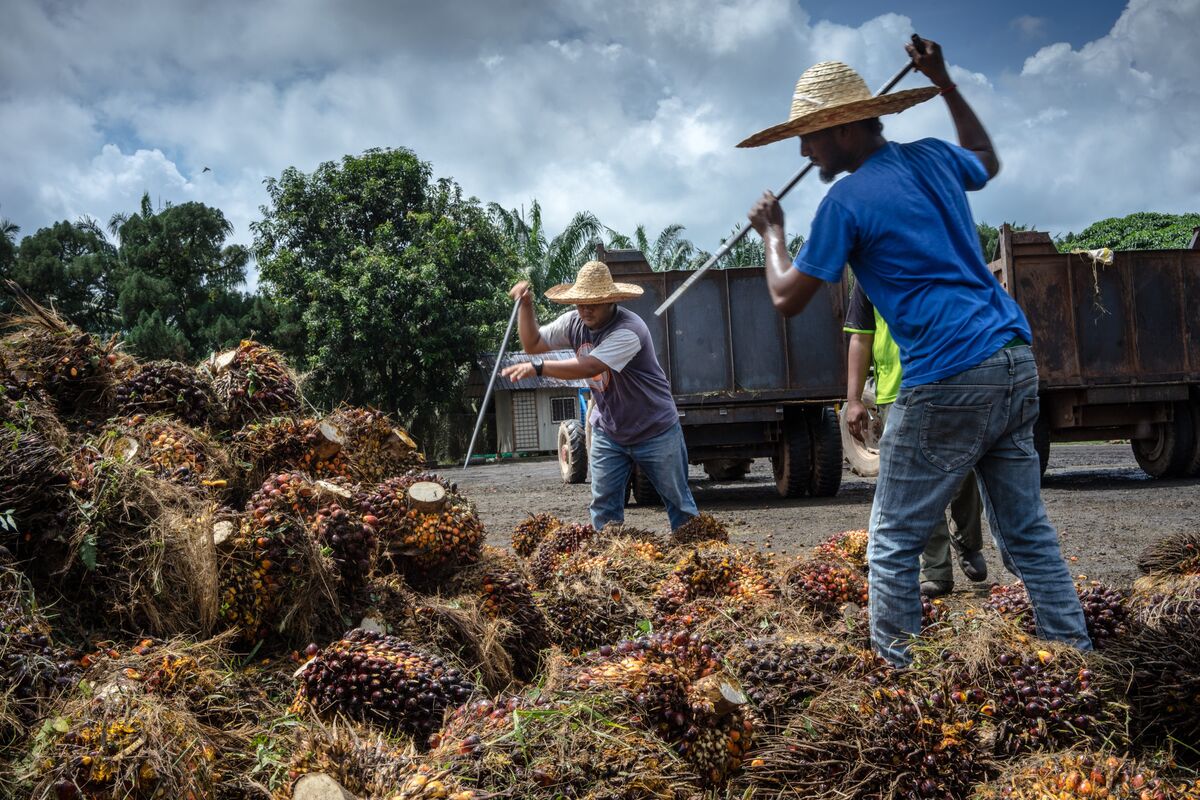
Palm oil prices declined for a second consecutive session amid weak export figures from Malaysia, one of the world’s largest producers. The Malaysian cargo surveyors reported a slowdown in shipments, contributing to concerns over global supply and demand dynamics in the vegetable oil market.
Additionally, the Malaysian ringgit strengthened against the US dollar, making palm oil exports more expensive for international buyers. This currency appreciation further pressured prices as traders anticipated reduced overseas demand. Market analysts suggest that the combination of softer exports and a stronger local currency will likely keep prices under downward pressure in the near term.
The recent price movements reflect ongoing adjustments in the global edible oils market, which is influenced by factors such as weather conditions, production levels in key countries, and currency fluctuations. Industry stakeholders continue to monitor export data and currency trends to gauge future price directions for palm oil.