
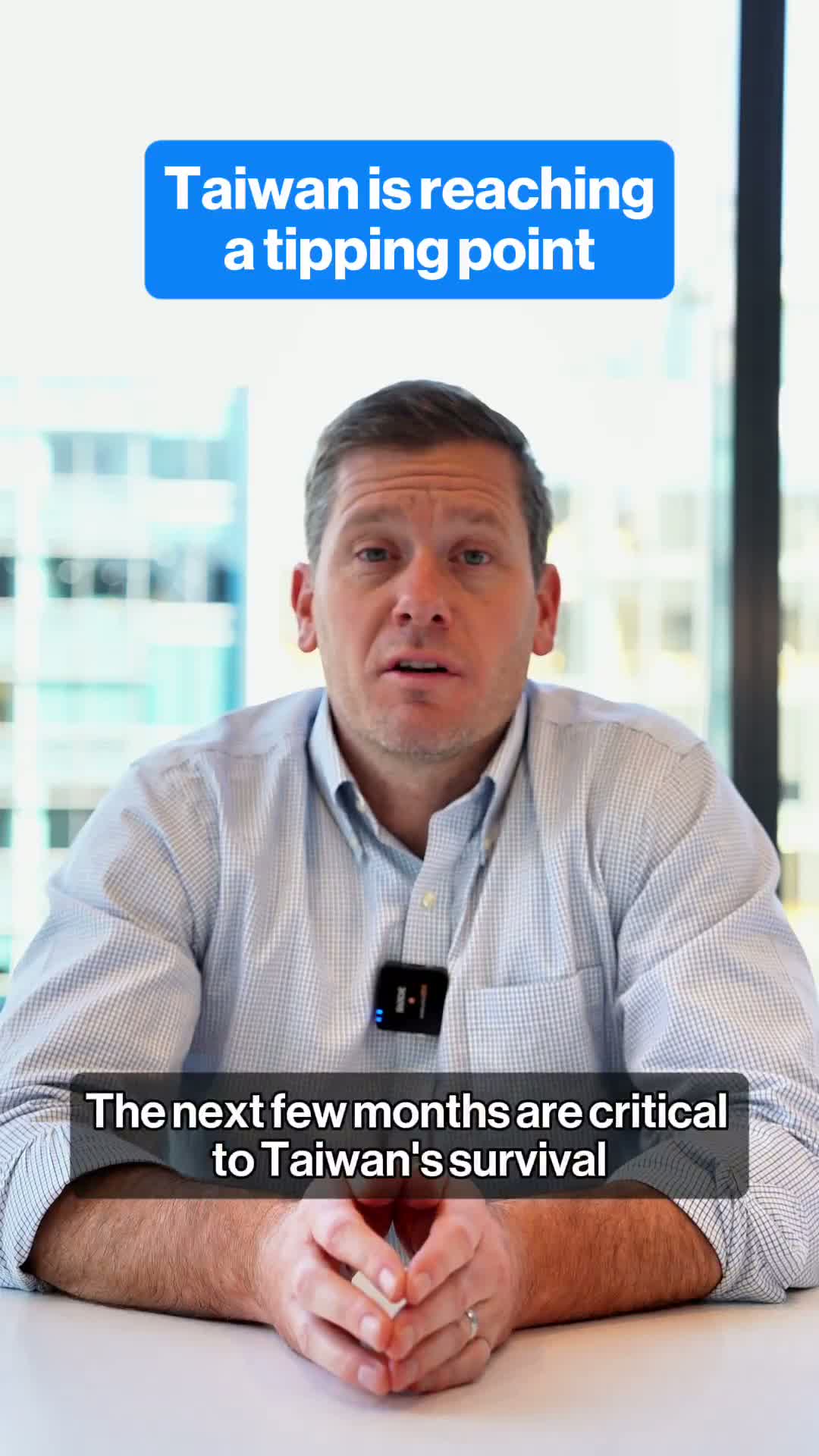
Taiwan’s relationship with the United States is currently at a pivotal point, raising questions about its strategic future and security. As tensions in the region escalate, particularly regarding China’s growing influence and military activities, Taiwan faces increasing pressure to navigate its diplomatic and defense policies carefully. The support from the US has been a cornerstone of Taiwan’s security strategy, but the specifics of future assistance remain uncertain amid shifting geopolitical dynamics.
Expert analyses, such as those from policy scholar Hal Brands, highlight the complexity surrounding Taiwan’s survival in this environment. Brands emphasizes that the US’s commitment to Taiwan is deeply intertwined with broader regional stability and American interests in maintaining a balance of power in the Indo-Pacific. While the US continues to endorse Taiwan’s defense, the extent and nature of this support could evolve depending on international developments and domestic political considerations.
This crucial juncture underscores the importance of diplomatic clarity and strategic planning for Taiwan. The island’s leadership must carefully weigh its defense options and alliance commitments to ensure its sovereignty amid an increasingly contentious geopolitical landscape. Observers suggest that the coming months will be decisive in shaping Taiwan’s future security and its relationship with the US and broader international community.
As tensions persist and the region’s stability is tested, analysts warn that Taiwan’s survival hinges on its ability to adapt its strategies in cooperation with key allies. The ongoing developments will likely influence not only Taiwan’s security posture but also the broader balance of power in the Indo-Pacific region.