
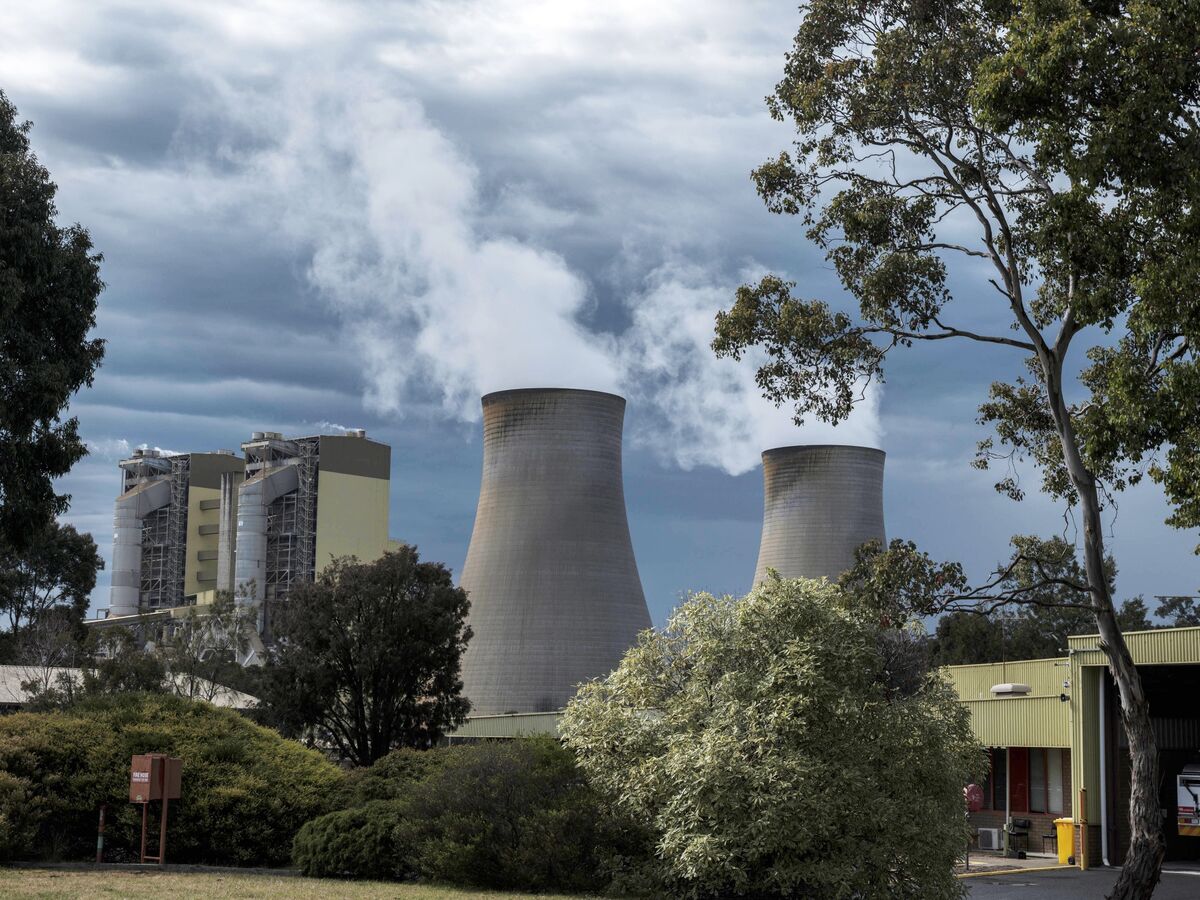
Australia has narrowly missed out on hosting the upcoming Conference of the Parties (COP) climate summit, sparking questions about the country’s stance on global climate initiatives. The decision follows a broader political shift, with the ruling coalition government signaling its departure from commitments toward achieving net-zero emissions. This stance marks a departure from previous ambitions aimed at reducing Australia’s carbon footprint and participating actively in international climate talks.
The development has implications for Australia’s international reputation and its engagement in climate diplomacy. Experts suggest that the country’s reduced emphasis on climate action could influence investor confidence and impact the transition to renewable energy sources domestically. Bloomberg’s David Stringer emphasizes that this combination of factors may have economic repercussions, including potential effects on electricity prices and investment flows into green technologies.
Observers note that Australia’s evolving climate policies reflect internal political debates and economic priorities. As the nation navigates these changes, stakeholders—from policymakers to consumers—are closely monitoring how these shifts may shape future regulations, energy costs, and Australia’s role in global climate efforts. The outcome underscores the complex intersection of politics, economics, and environmental commitments, highlighting the challenges faced in balancing growth and sustainability.