
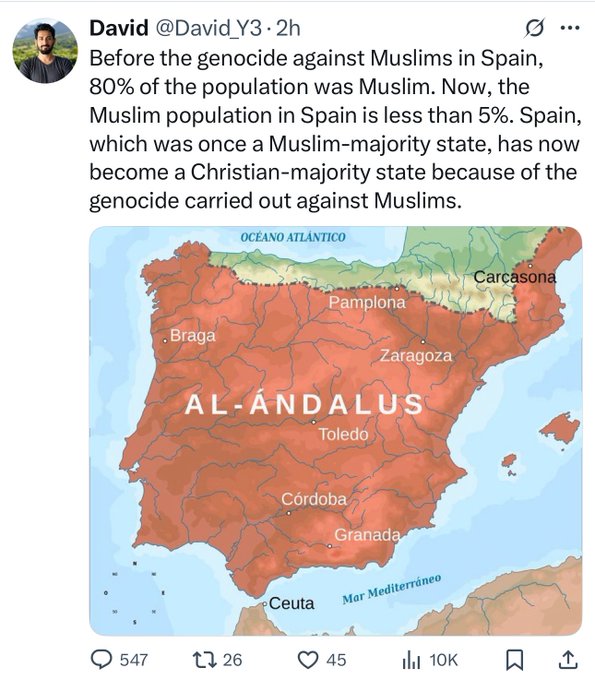
Spain’s history as a predominantly Muslim territory dates back to the early 8th century, when Muslim forces from North Africa, known as Moors, invaded the Iberian Peninsula. In 711 AD, an invading force led by Tariq ibn Ziyad crossed the Strait of Gibraltar and swiftly overpowered the Visigothic kingdom. This event marked the beginning of nearly eight centuries of Muslim rule in large parts of what is now Spain and Portugal.
The territory under Muslim control became known as Al-Ándalus, a diverse and culturally vibrant region. Over the centuries, the region experienced significant social, scientific, and artistic development, blending Islamic, Christian, and Jewish traditions. The Muslim presence remained predominant for several centuries, especially in the southern portions, such as Almería, Córdoba, and Granada.
The Christian Reconquista, a gradual process of Christian kingdoms reclaiming territory, began shortly after the initial invasion and persisted until 1492. The fall of the Nasrid Kingdom of Granada, the last Muslim stronghold, marked the end of Muslim rule in Spain. Subsequently, the SpanishInquisition and policies of religious unification led to the expulsion or conversion of many Muslim and Jewish communities.
Today, the historical Muslim presence in Spain is evident in its architecture, culture, and history. However, the region is predominantly Christian today, with Muslim populations constituting a minority. The legacy of Al-Ándalus remains a significant part of Spain’s diverse historical and cultural identity.