
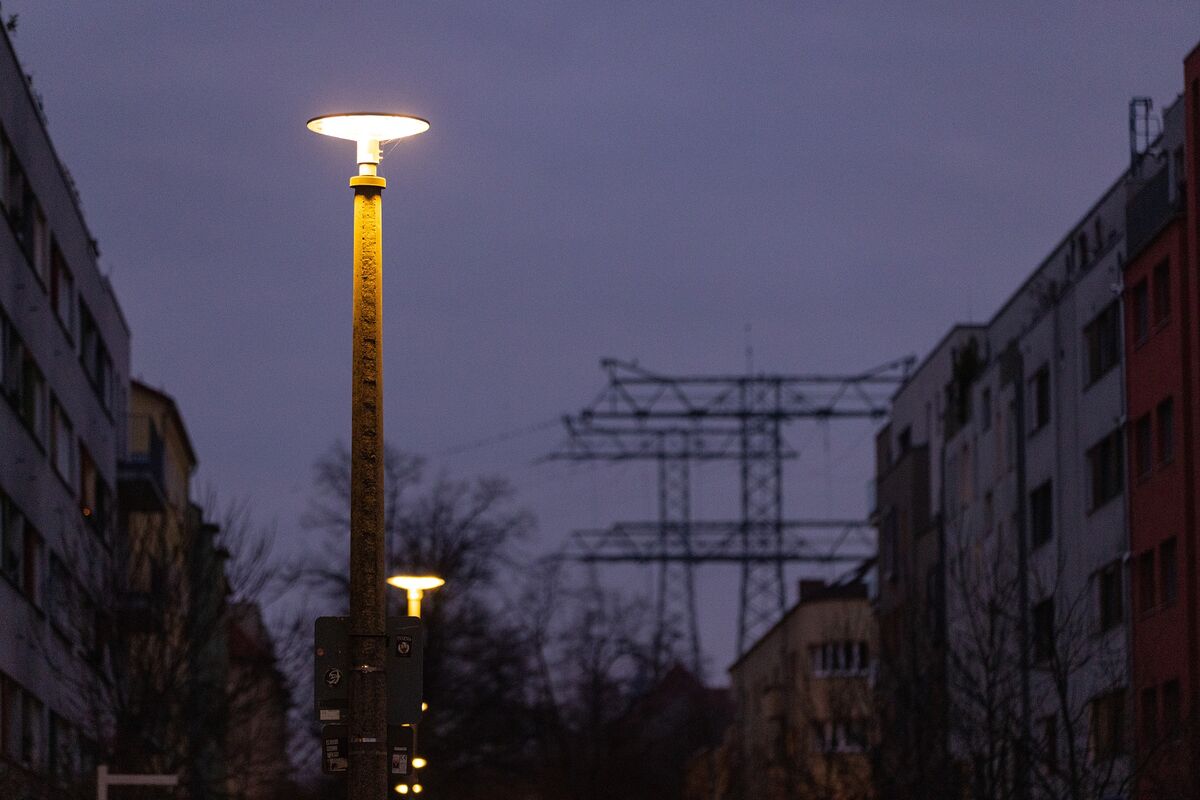
Germany is on track to face a significant power shortfall by 2030, with estimates suggesting a gap of 10 to 24 gigawatts during peak demand periods. The projected shortfall stems from the country’s ongoing effort to phase out coal and nuclear power plants, leading to a reduction in available electricity generation. While Germany is actively investing in renewable energy sources, critics warn that the pace of new capacity development may not keep pace with the shutdowns.
Experts highlight that the decline in traditional power generation capacity could challenge the country’s energy security, especially during periods of high consumption such as winter months. To address the potential deficit, policymakers are exploring options including increased renewable deployment, energy storage solutions, and imports from neighboring countries. Nevertheless, the outlook underscores the complexities Germany faces in balancing climate goals with reliable energy supply.
The German government has acknowledged the need to accelerate infrastructure development and diversify energy sources to mitigate potential shortages. As the country aims to meet its climate commitments and transition to a more sustainable energy system, the coming years will be critical in shaping its energy landscape. Stakeholders across the industry continue to monitor developments closely, emphasizing the importance of coordinated efforts to ensure stable power supply during this transitional period.