
The year 2025 will mark the 80th anniversary of the atomic bombings of Japan during World War II, a pivotal moment in history that continues to resonate globally. The bombings in Hiroshima and Nagasaki in August 1945 resulted in immense human suffering and prompted ongoing discussions about the ethics and consequences of nuclear warfare.
Nagasaki was specifically targeted on August 9, 1945, with the bombing dropped over Urakami, a predominantly Catholic district. Historically, the residents of Urakami had faced centuries of religious persecution but had maintained their faith despite adversity. The attack devastated the community in a matter of moments, killing tens of thousands and reducing much of the city to ruins.
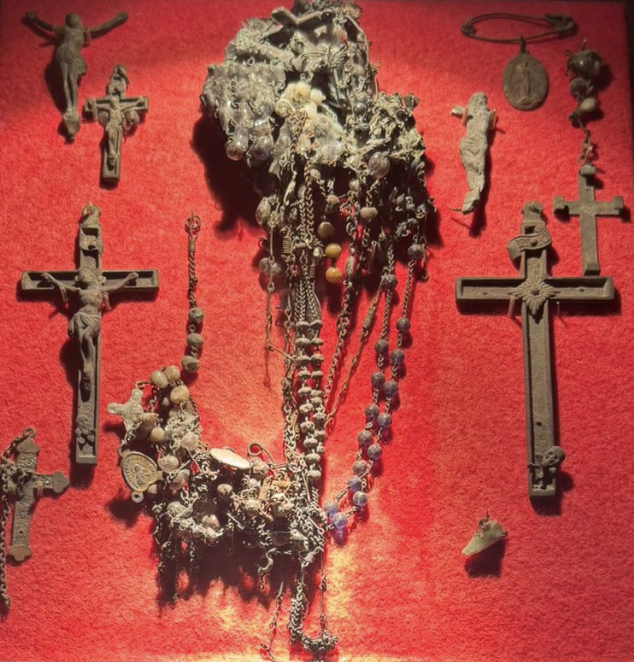
In the aftermath, investigators and survivors recovered remnants of their shattered lives, including rosaries and crucifixes amid the destruction. These artifacts have become symbols of resilience and faith for those affected by the tragedy. As the anniversary approaches, commemorations and reflections on the events aim to honor victims and promote ongoing dialogue about nuclear disarmament and peace.