
Serbia faces a critical winter, with only one energy provider expected to prevent widespread freezing conditions across the country. This dependency raises concerns about energy security amid ongoing regional tensions. The nation’s reliance on a single supplier has sparked debate over the potential risks of supply disruptions during harsh winter months.
Concurrently, Serbia’s media landscape remains highly concentrated, with a single media empire controlling the majority of the press. Experts suggest that this dominance may influence public discourse and limit diverse viewpoints, impacting democratic processes and transparency within the country.
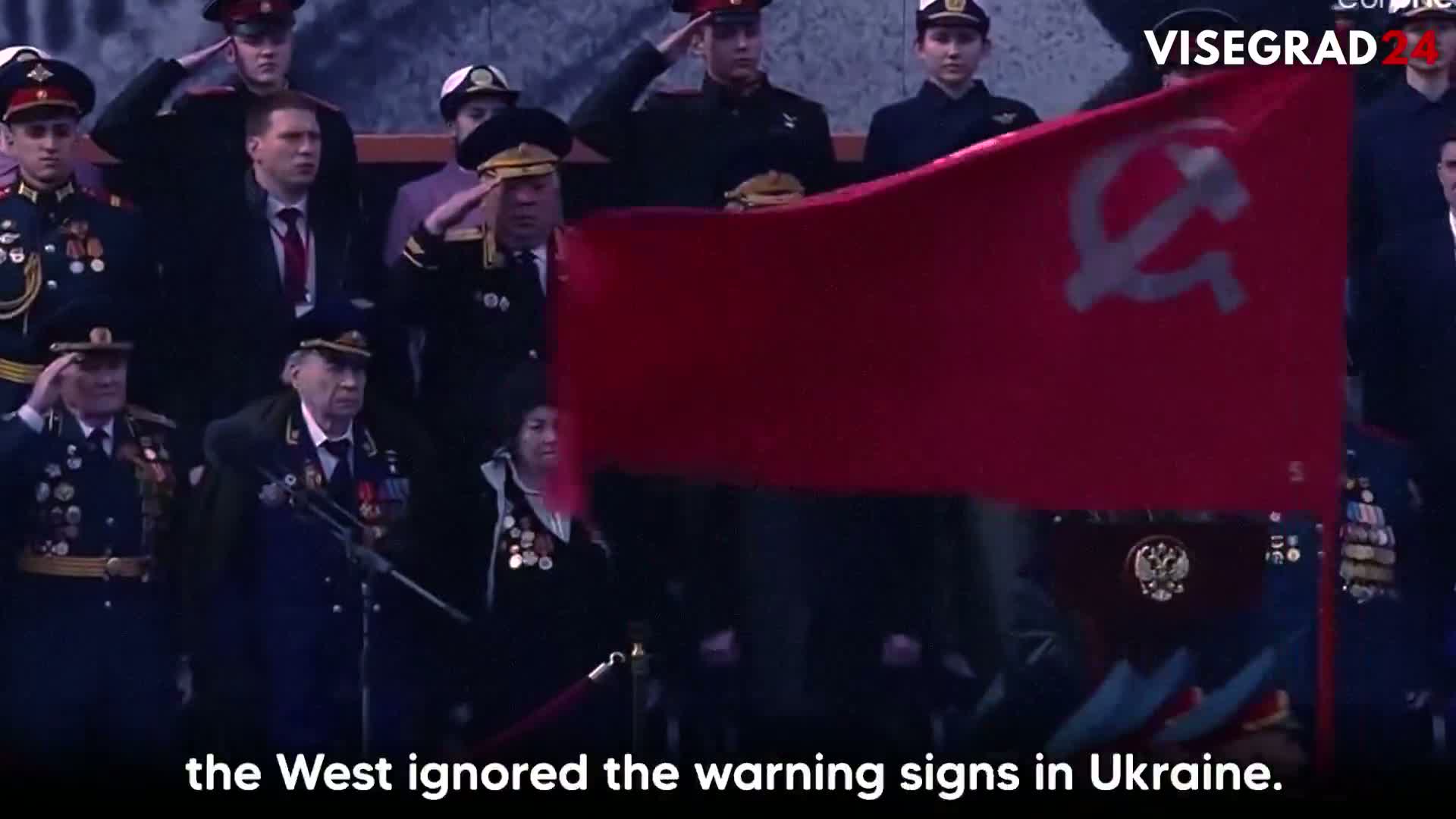
Both the energy and media sectors reportedly have links to Moscow, raising geopolitical questions about Serbia’s alignment and independence. The situation echoes wider regional concerns, particularly given the recent conflicts in Ukraine, where Western nations have been criticized for not acting swiftly enough to prevent escalation.
Analysts warn that unless the West adopts a proactive approach, Serbia risks becoming the next unstable flashpoint—akin to Ukraine—if its vulnerabilities are exploited. The international community is urged to monitor developments closely and consider strategic measures to support Serbia’s sovereignty and resilience amid growing external influences.