
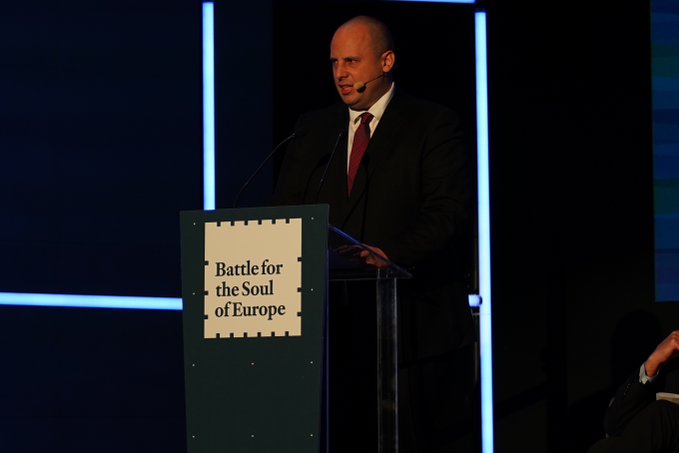
At the recent #SoulOfEurope event, Visegrad 24 highlighted what it describes as the prevailing attitude among Central European elites: the emphasis on combating fake news. The organization noted that this focus often serves as a shield, providing a convenient narrative for authorities seeking to dismiss criticism or independent journalism. According to Visegrad 24, the post-election rhetoric around “fortifying against fake news” tends to mask a broader issue of limited self-reflection within political circles in the region.
The critique points out that questioning the official narratives on misinformation frequently results in accusations of being suspicious or untrustworthy, thus discouraging investigative journalism and open debate. Visegrad 24 argued that this dynamic has contributed to a climate where the “fake news” label is wielded as a tool to silence dissent and restrict scrutiny of government actions.
Observers note that this approach has implications for media freedom and democratic accountability in Central Europe. Critics warn that by framing questions as suspect, authorities may undermine transparency and limit the public’s access to diverse viewpoints. The presenters at #SoulOfEurope called on policymakers to foster an environment conducive to genuine dialogue and self-evaluation rather than relying on simplistic assertions about misinformation.
The discussion underscores ongoing concerns about the impact of misinformation campaigns and the ways political leaders address them. As Central European nations navigate the complex landscape of information and influence, debates around media integrity and government accountability continue to be at the forefront of regional and European policy discussions.