
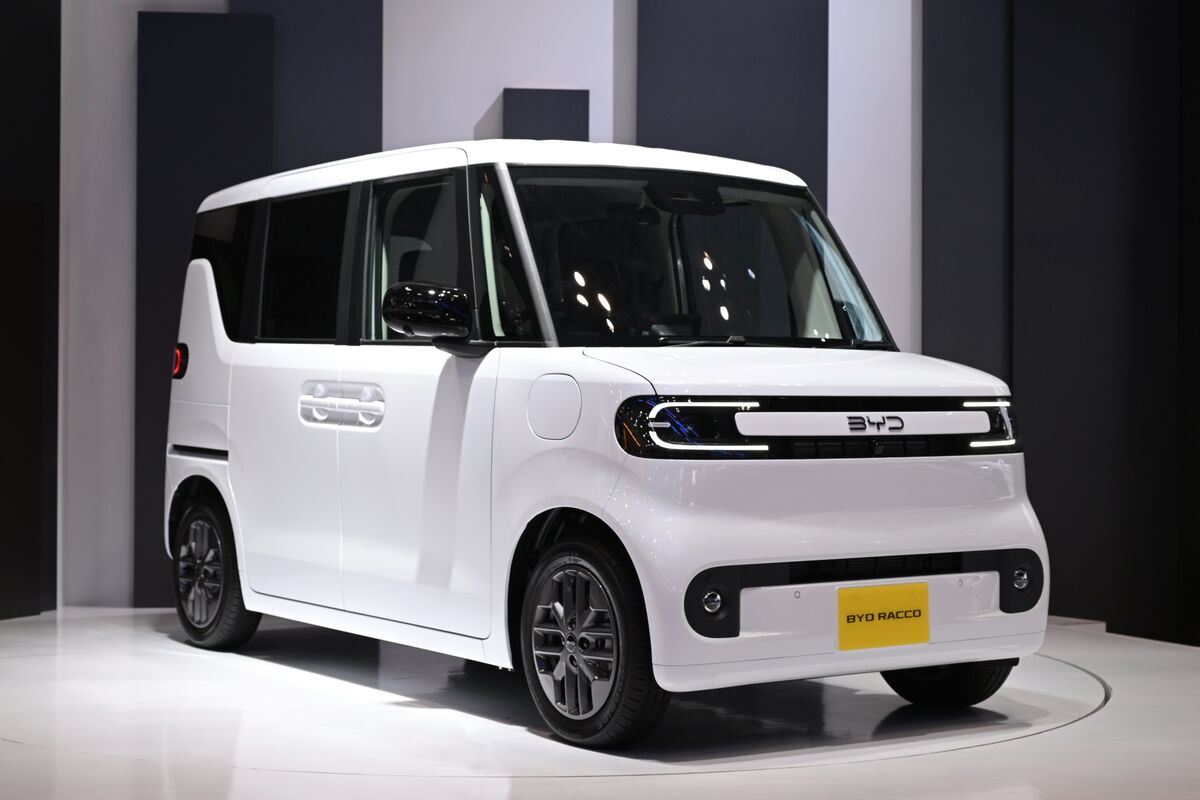
President Donald Trump has announced plans to facilitate the manufacturing and sale of Kei cars in the United States, following his recent visit to Japan. Kei cars, known for their small size and fuel efficiency, are a popular vehicle segment in Japan, but they are relatively uncommon in the U.S. market. This move has garnered both support and criticism from industry experts and consumer groups.
Proponents argue that easing regulations for Kei cars could provide more affordable, environmentally friendly transportation options for American consumers. They also suggest that expanding the market could benefit car manufacturers by opening up new opportunities. However, critics express concerns about safety standards, as Kei cars are smaller and less equipped with advanced safety features compared to traditional American vehicles.
The administration’s decision involves adjusting certain regulations and standards to accommodate Kei cars, which are typically limited in engine size and dimensions. While specific details on the regulatory changes have not been fully disclosed, industry analysts are watching closely to see how this shift might impact the U.S. automotive landscape.
As the plan moves forward, consumer safety, market demand, and regulatory compliance will likely be key considerations. The introduction of Kei cars in the U.S. could represent a significant departure from current standards, with potential implications for manufacturers, regulators, and consumers alike.