
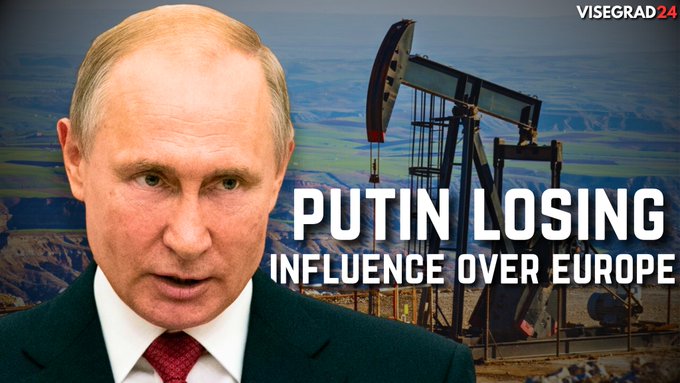
New U.S. sanctions are having a more significant impact on Russia than initially anticipated, leading to substantial financial pressures on the Kremlin’s war efforts. The measures have reportedly drained billions of dollars from Russia’s military budget, impairing key state-controlled energy companies such as Rosneft and Lukoil. These sanctions aim to weaken Russia’s economic capacity to sustain ongoing military operations in Ukraine and beyond.
In addition to broader economic effects, the sanctions are influencing regional energy dynamics. Bulgaria and Serbia, previously reliant on Russian energy imports, are increasingly removing Moscow’s presence from their energy sectors. This shift reflects a broader trend of Eastern European countries distancing themselves from Russia’s influence amid the tightened sanctions and geopolitical changes.
The evolving sanctions landscape appears to be diminishing Russia’s regional influence, particularly in Eastern Europe. As economic pressures mount, Moscow faces challenges in maintaining its strategic foothold in the region. Analysts suggest that these developments could alter the balance of influence in Eastern Europe, potentially reshaping alliances and energy dependencies in the coming months.