
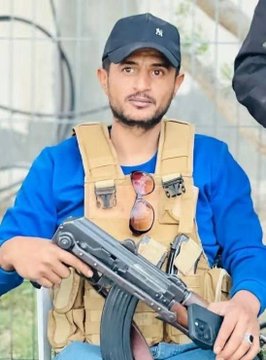
Yasser Abu Shabab, the leader of the Abu Shabab militia in southern Gaza, was killed in an apparent assassination yesterday. Abu Shabab was recognized for his cooperation with Israel in efforts to expel Hamas forces from the district of Rafah, a strategic border area. His death has raised concerns about increasing violence and shifting alliances within Gaza’s complex political and militant landscape.
The funeral for Abu Shabab took place later the same day in Gaza, with various local groups and residents paying their respects. His killing has sparked speculation about internal power struggles, potential reprisals, or external influences targeting figures involved in covert cooperation with Israel. Abu Shabab was quoted as saying, “We do not see the Israeli people as our,” indicating a stance that perhaps differentiated him from more hardline factions within the region.
The circumstances surrounding Abu Shabab’s assassination remain unclear, and authorities have yet to formally comment on the incident. It underscores the ongoing instability and the fragile nature of alliances within Gaza, where militant groups and political actors frequently encounter conflict among themselves and with external parties. As investigations continue, the impact of his death on local security and ongoing efforts against Hamas remains uncertain.