
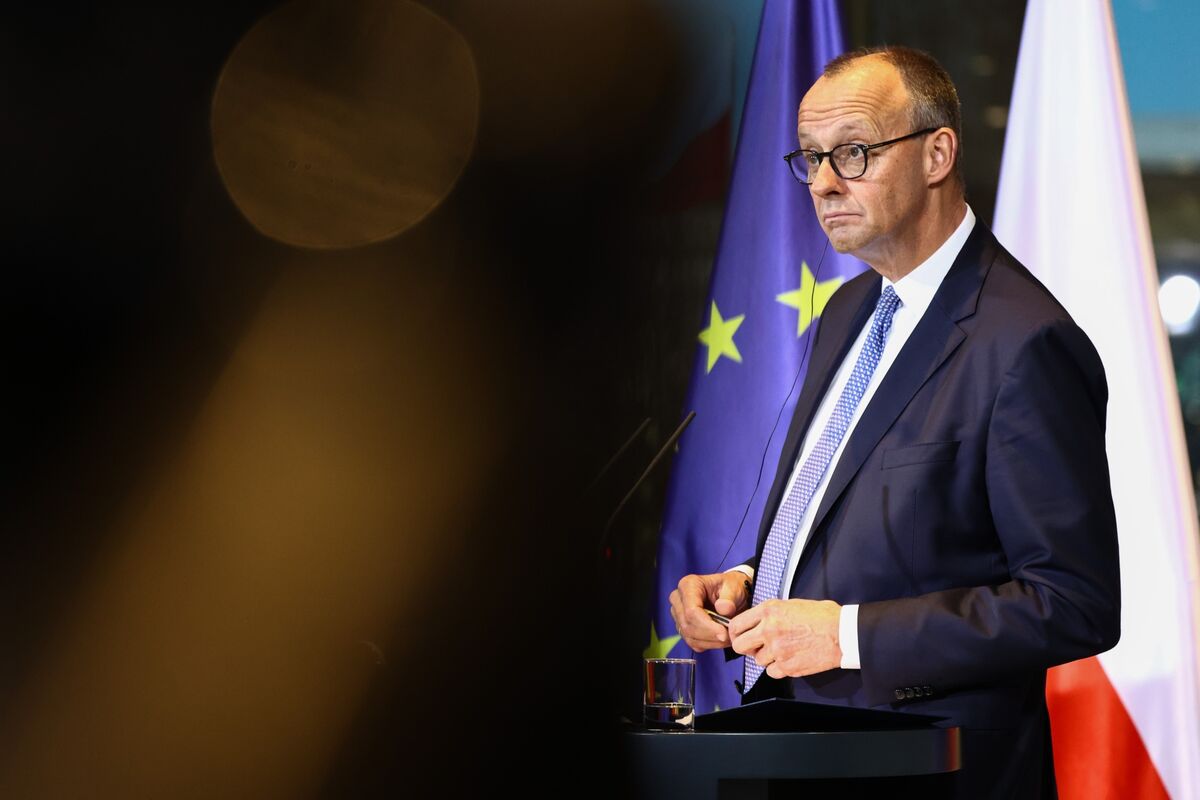
German Chancellor Friedrich Merz and European Commission President Ursula von der Leyen collectively intensified calls for Belgium to cooperate with an EU initiative targeting Russian central bank assets. The plan seeks to utilize frozen Russian funds held within Belgium to support Ukraine amid ongoing conflict. Both leaders emphasized the importance of adhering to the consensus within the EU on this matter, reinforcing their commitment to holding Russia accountable through targeted financial measures.
Belgium’s stance on the proposal has been nuanced, with some officials raising concerns about legal and financial implications of reallocating frozen assets. The EU’s efforts aim to leverage these funds as a form of economic support for Ukraine, aligning with broader sanctions and strategies designed to weaken Russia’s financial capabilities. Brussels has maintained that frozen assets should be used in ways that support Ukrainian reconstruction and defense efforts, provided legal frameworks are satisfied.
The debate underscores ongoing tensions within the EU regarding asset confiscation and the enforcement of sanctions. While many member states support the initiative, others call for caution, citing legal complexities and the need to respect property rights. The European Commission continues to advocate for a unified approach, emphasizing that the use of frozen assets could be a significant step in the EU’s support for Ukraine’s sovereignty and resilience.
As discussions progress, Brussels and Berlin are encouraging Belgium to align with collective EU policies. The outcome of these discussions could set a precedent for how EU member states handle frozen foreign assets in future conflicts, balancing legal norms with strategic priorities in supporting Ukraine.