
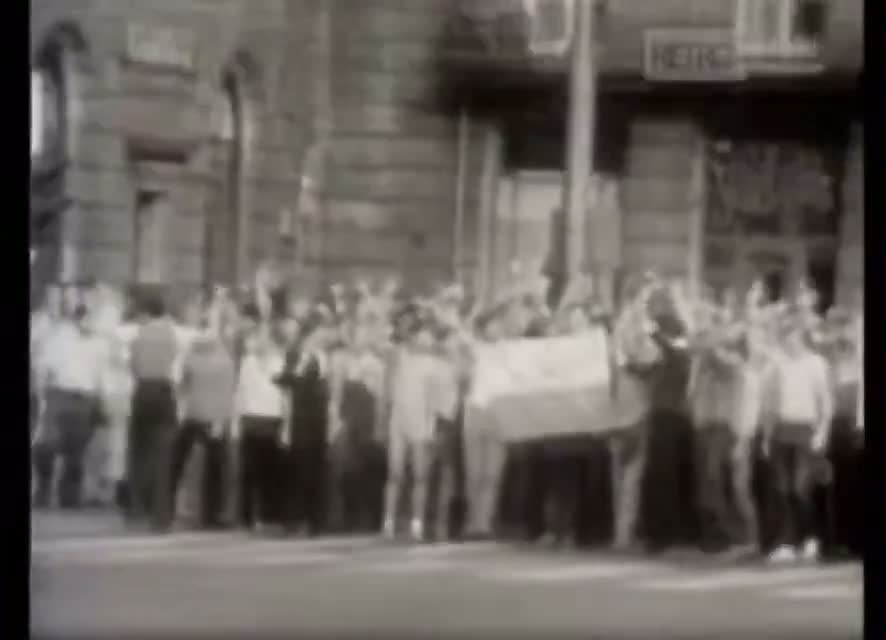
On December 13, 1981, the Polish communist government declared martial law in an effort to suppress the growing anti-communist opposition movement known as Solidarity. The crackdown came amid escalating tensions and widespread protests involving millions of Poles demanding political rights and labor reforms. The government’s actions included mass arrests, censorship, and the deployment of military forces to quell resistance.
The imposition of martial law led to months of intense street battles and unrest across the country. Official reports indicate that approximately 100 dissidents were killed during the crackdown, while around 15,000 individuals were detained by authorities. Many opposition members and ordinary citizens faced imprisonment, and an estimated one million Poles fled the country seeking refuge from political repression.
The Solidarity movement, which challenged the communist regime’s authority, represented a significant moment in Poland’s history and the larger Cold War struggle between East and West. While many Poles experienced firsthand the hardships imposed by martial law, some observers outside Poland may not fully comprehend the scale of the repression. The Polish experience highlights the severity of the government’s crackdown on dissent, contrasting with the perspectives often held by students and activists in Western countries who did not live through those events.