
Historically, deer, beaver, and buffalo played significant roles in shaping the American economy and cultural development. During the early periods of European colonization and westward expansion, these animals were vital sources of food, clothing, and materials for Indigenous peoples and settlers alike. The beaver, in particular, was highly valued for its pelts, which fueled the lucrative fur trade, attracting traders and explorers to North America.
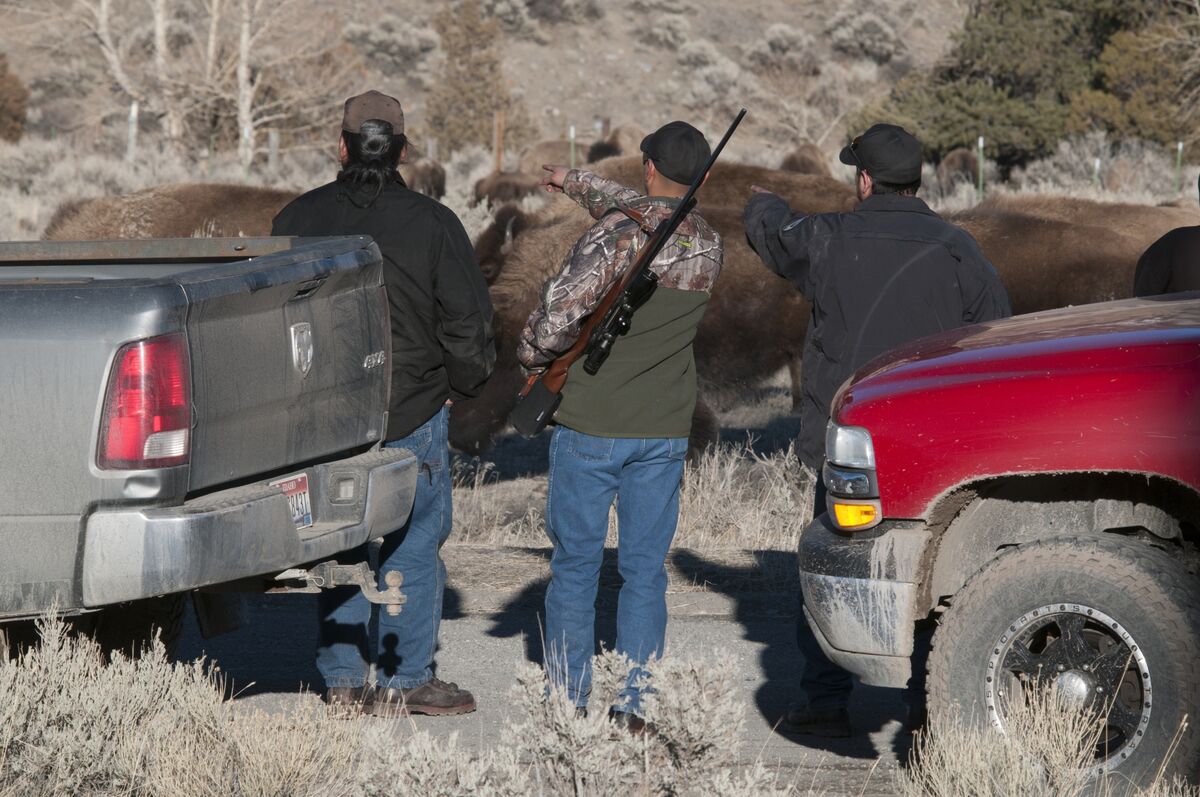
The buffalo, once abundant across the plains, served as a crucial resource for Native American tribes, providing food, tools, and ceremonial objects. The mass slaughter of buffalo in the 19th century, driven by westward expansion and commercial interests, drastically diminished their populations, impacting Indigenous lifestyles and economies. Deer also contributed to local economies through hunting and related industries, especially in rural communities.
Over time, the importance of these animals shifted due to changing economic activities and conservation efforts. The decline of the fur trade and the near-extinction of the buffalo led to a reevaluation of wildlife management policies. Today, these animals are primarily valued for ecological and cultural reasons, with some populations actively protected and managed to maintain biodiversity and historical legacy.
This transformation highlights how wildlife has been intertwined with American economic history and how modern conservation efforts aim to balance ecological health with economic and cultural interests stemming from earlier eras.