
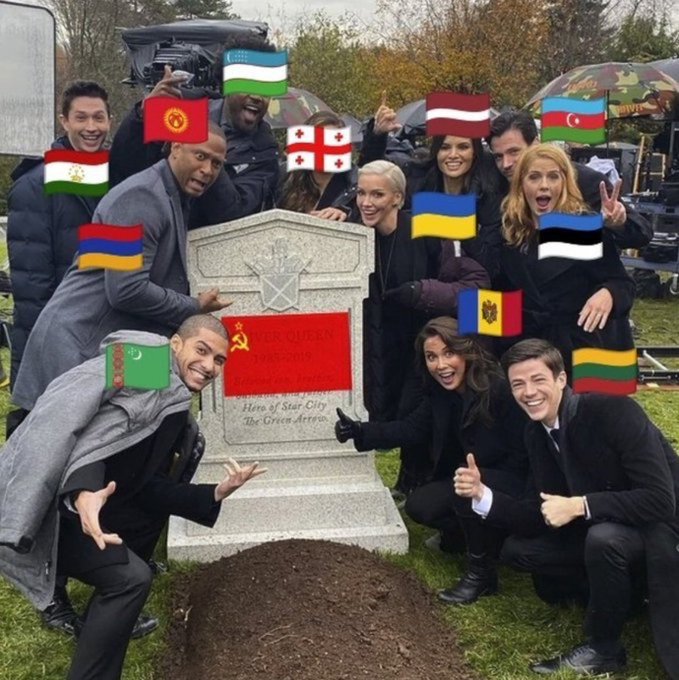
On December 26, 1991, the Supreme Soviet of the Soviet Union officially adopted a declaration formally dissolving the Soviet state. This historic decision marked the end of the Soviet Union’s existence as a federal entity, following years of political upheaval and economic challenges. The declaration signified the conclusion of more than seven decades of Soviet rule, leading to significant geopolitical shifts across Eurasia.
The dissolution resulted in the disintegration of the Soviet Union, often described as the “Prison of Nations” due to its diverse multi-ethnic composition. With the union’s collapse, approximately 140 million people suddenly gained independence or autonomy, transforming the political landscape of Eastern Europe and Central Asia. The process was largely peaceful, yet it represented a profound and rapid change for millions of citizens who formerly lived under Soviet governance.
While the international community largely recognized the importance of the Soviet Union’s dissolution, it also prompted complex and often contentious reactions among former Soviet leaders. Notably, Vladimir Putin, then a rising political figure, reportedly found it difficult to accept the end of the Soviet state. His subsequent political trajectory would often reflect a desire to restore Russia’s influence, contrasting with the celebrations surrounding the union’s official demise.