
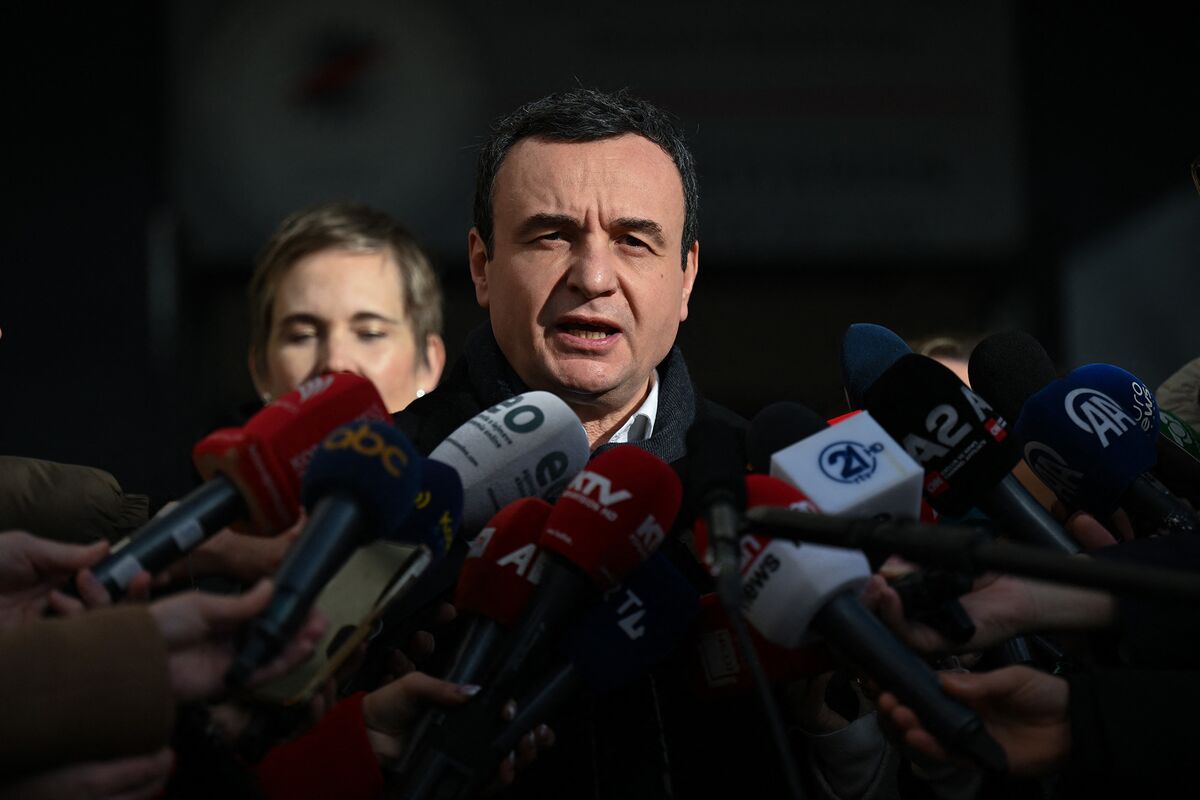
Kosovo’s snap elections are indicating a continuation of Prime Minister Albin Kurti’s leadership, with early results suggesting he is on course to secure a victory. The elections were called in an effort to resolve ongoing political deadlock that had persisted for several months, stalling the country’s governance and impacting economic development.
The political impasse had raised concerns over Kosovo’s stability and progress toward improving relations with international allies and the Serbian minority within its borders. The deadlock had also affected initiatives aimed at advancing dialogue with Serbia and implementing internal reforms.
Kurti’s potential re-election comes amid efforts by Kosovo to stabilize its political landscape and foster better diplomatic ties. The outcome may influence the country’s future policy directions, particularly in its relations with Serbia and its integration into regional and international institutions.
Voter turnout and final results are awaited to confirm the extent of Kurti’s support. The election results are seen as a reflection of Kosovo’s current political climate and will likely shape the next steps in its ongoing political and diplomatic efforts.