
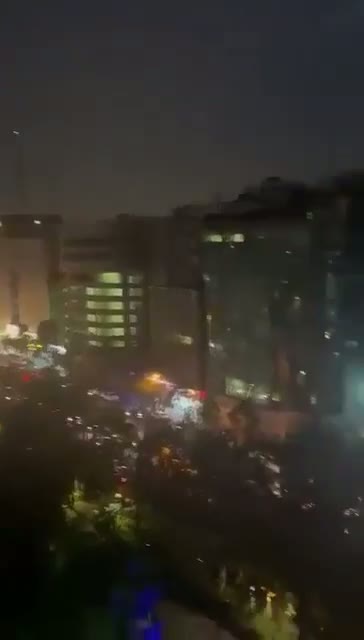
Protests against Iran’s Islamic regime have intensified, with demonstrators continuing to gather in the streets despite late-hour restrictions. Participants are reportedly expressing their discontent through chants supporting the pro-Shah and pro-monarchy movements, as well as vocal backing for Reza Pahlavi, a prominent figure advocating for a constitutional monarchy.
The demonstrations come amid ongoing economic challenges facing Iran, with the country’s economy approaching hyperinflation levels. Citizens have cited economic hardship and inflation as key motivations for their protests, adding pressure on the government amid widespread dissatisfaction.
Though details on the size and scope of the protests remain limited, reports suggest that the unrest is sustained and widespread, reflecting deep-seated grievances against the current regime. International observers continue to monitor the situation closely, concerned about potential escalations and the broader implications for Iran’s political stability.
The Iranian government has yet to issue a formal response to the protests, but past demonstrations have often been met with a combination of security measures and limited dialogue. As the economy deteriorates, the protest movement appears to have gained significant momentum, highlighting ongoing tensions within the country.