
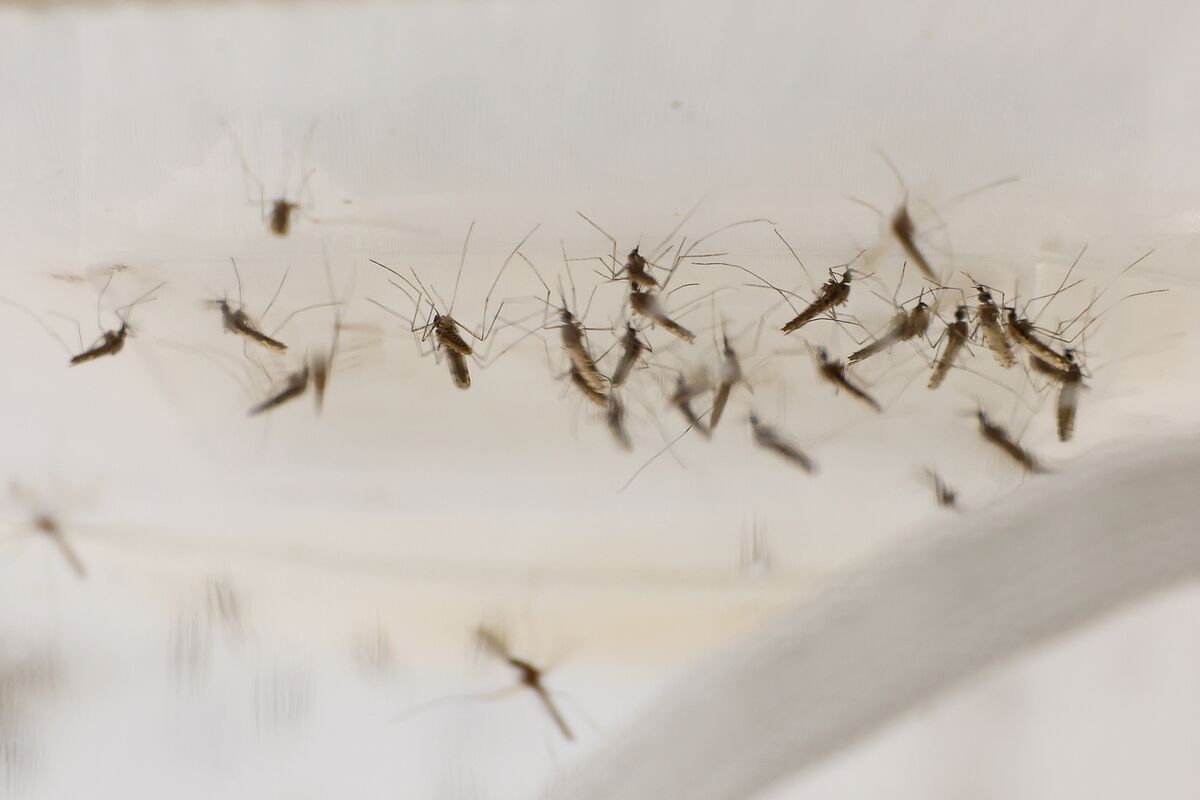
Global malaria cases are reportedly on the rise, coinciding with a reduction in international aid efforts from the United States. Public health experts are warning that decreased funding may hinder ongoing efforts to control and eliminate the disease, which predominantly affects tropical and subtropical regions.
The US, historically one of the largest contributors to malaria prevention and treatment initiatives, announced a scaled-back aid budget earlier this year. This reduction has raised concerns among health officials and organizations working tirelessly to combat malaria, which causes hundreds of thousands of deaths annually, primarily in Africa. The decline in funding could slow down the distribution of insecticide-treated nets, medications, and surveillance efforts.
Experts emphasize that sustained investment is crucial to progress in reducing malaria transmission. Without sufficient resources, vulnerable populations in endemic countries may experience setbacks in control efforts, leading to potential increases in case numbers. The World Health Organization has called for renewed commitments from international donors to accelerate progress toward malaria elimination goals.
While some nations continue their own malaria control programs, the overall funding shortfall risks undermining global efforts to curb the disease. Monitoring and response strategies need to adapt to these financial constraints to prevent further setbacks in the fight against malaria worldwide.