
Starting in January 2026, Somalia is scheduled to assume the presidency of the United Nations Security Council. This marks a significant milestone for the Horn of Africa nation, which has experienced decades of conflict and instability. Somalia’s selection for the role comes amid ongoing efforts to rebuild the country’s governance structures and foster stability.
The Security Council plays a crucial role in maintaining international peace and security, addressing conflicts around the globe, and imposing sanctions when necessary. Traditionally, the rotating presidency provides member states with a platform to influence global security priorities and discussions. Somalia’s upcoming leadership raises questions about the country’s internal challenges and its capacity to effectively manage this influential position.
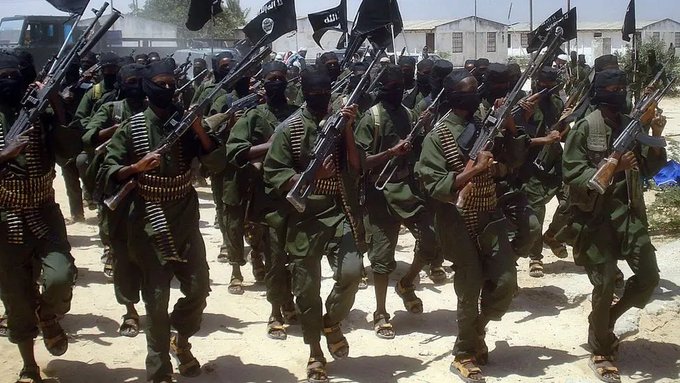
Somalia’s political landscape has been complex, with intermittent governance and the presence of Islamist groups that in the past have controlled parts of the country. Despite these difficulties, Somalia’s involvement in the Security Council presidency symbolizes its continued engagement with the international community. Analysts note that this move could impact future diplomatic and peacekeeping initiatives in the region and beyond.
As Somalia prepares for its role, international observers will monitor how the country navigates its responsibilities on the world stage, amid its ongoing efforts to stabilize and improve governance within its borders.