
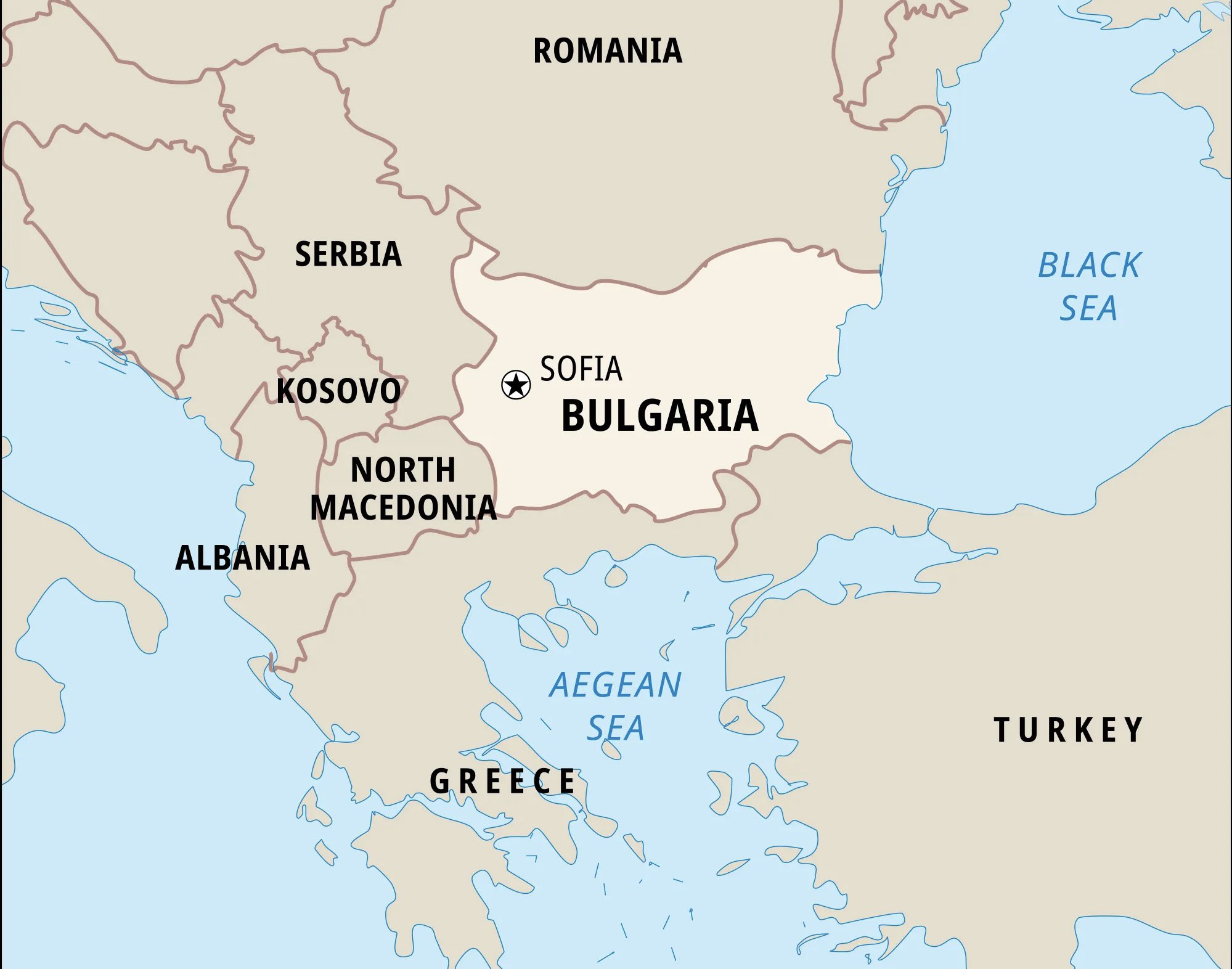
Bulgaria has officially adopted the euro as its currency, marking a significant step in its integration into the European Union’s economic framework. The country’s switch to the euro aims to facilitate stronger economic ties within the eurozone and promote financial stability.
With Bulgaria’s adoption, the eurozone now comprises 21 member states. The transition is expected to streamline cross-border trade and investment, offering Bulgarian businesses and consumers greater access to the larger European market.
Officials from Bulgaria and the European Union highlighted the move as a milestone in Bulgaria’s EU accession process, emphasizing the benefits of monetary unification for economic growth. However, some critics express concerns over potential impacts on national sovereignty and monetary policy control.
The transition to the euro is anticipated to be phased in gradually, with currency exchange processes being closely monitored to ensure a smooth changeover for all sectors of the economy. The move underscores ongoing efforts within the EU to deepen economic integration among member states.