
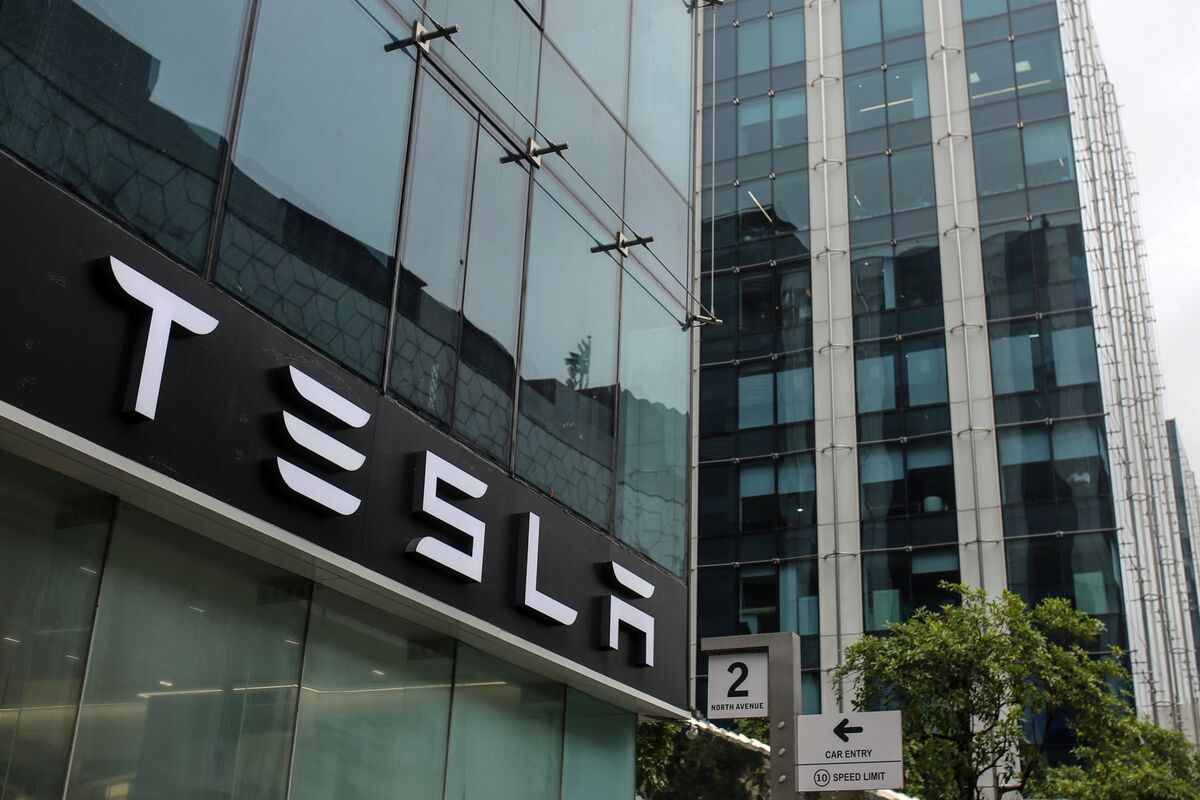
Tesla has recently been surpassed by Chinese automaker BYD as the world’s leading seller of fully electric vehicles (EVs). The shift marks a significant change in the global EV market, where Tesla had maintained a dominant position for several years. Industry analysts point to several factors contributing to Tesla’s recent decline in market share.
One key reason is increased competition from Chinese manufacturers like BYD, which has expanded rapidly both domestically and internationally. BYD has benefited from government support, a wide range of affordable EV models, and a strong foothold in the Chinese market, the largest EV market worldwide. Meanwhile, Tesla has faced challenges related to supply chain disruptions, production delays, and increasing competition from other automakers developing their EV offerings.
Additionally, Tesla’s pricing strategy and product offerings may be less adaptable to diverse markets compared to BYD, which provides a broader spectrum of EV choices at various price points. Regulatory and geopolitical tensions have also impacted Tesla’s global sales, particularly in China and other key markets. Despite these challenges, Tesla continues to be a major player in the EV industry, but its position as the top seller has been challenged by its Chinese rival.
Overall, the shift underscores a rapidly evolving EV landscape, where local manufacturers are gaining ground through strategic advantages and extensive market penetration. Industry experts expect the competition to intensify as more automakers ramp up their EV production and innovation efforts to capture a growing segment of sustainable transportation.