
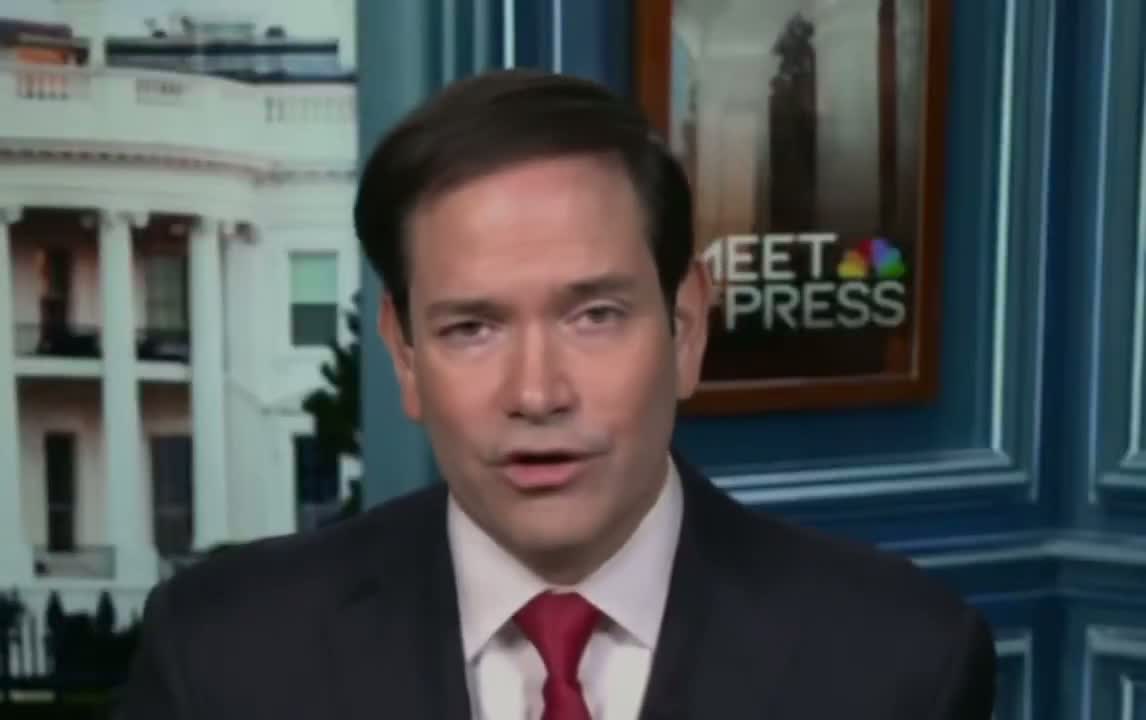
Senator Marco Rubio has publicly asserted that the Cuban government exerts significant influence within Venezuela’s political landscape. In a statement, Rubio claimed that members of the Cuban regime are deeply involved in the inner workings of the Venezuelan government, particularly in supporting and maintaining the leadership of President Nicolás Maduro.
Rubio emphasized that the influence is both substantial and covert, suggesting that Cubans have a backstage role in Venezuela’s internal affairs. He stated that “the ones who colonized Venezuela, at least inside the regime, are Cubans,” and accused them of safeguarding Maduro’s position by overseeing internal surveillance and intelligence operations. According to Rubio, Cuban operatives are responsible for internal security and espionage, ensuring loyalty within the Venezuelan leadership and preventing dissent.
The allegations highlight long-standing claims by some critics that Cuba maintains a significant influence over Venezuela, especially given the close political and economic ties between the two countries. Both nations have experienced strained relations with other regional and Western powers, often citing concerns about authoritarianism and human rights. Cuban officials have not officially responded to Rubio’s recent comments, and Venezuela has yet to comment publicly on the allegations made by the U.S. senator.
This assertion adds to ongoing discussions about foreign influence in Venezuelan politics and the broader implications of Cuba’s involvement in Latin American affairs. It underscores the complex regional dynamics and raises questions about the extent of external influence over Venezuela’s government and stability.