
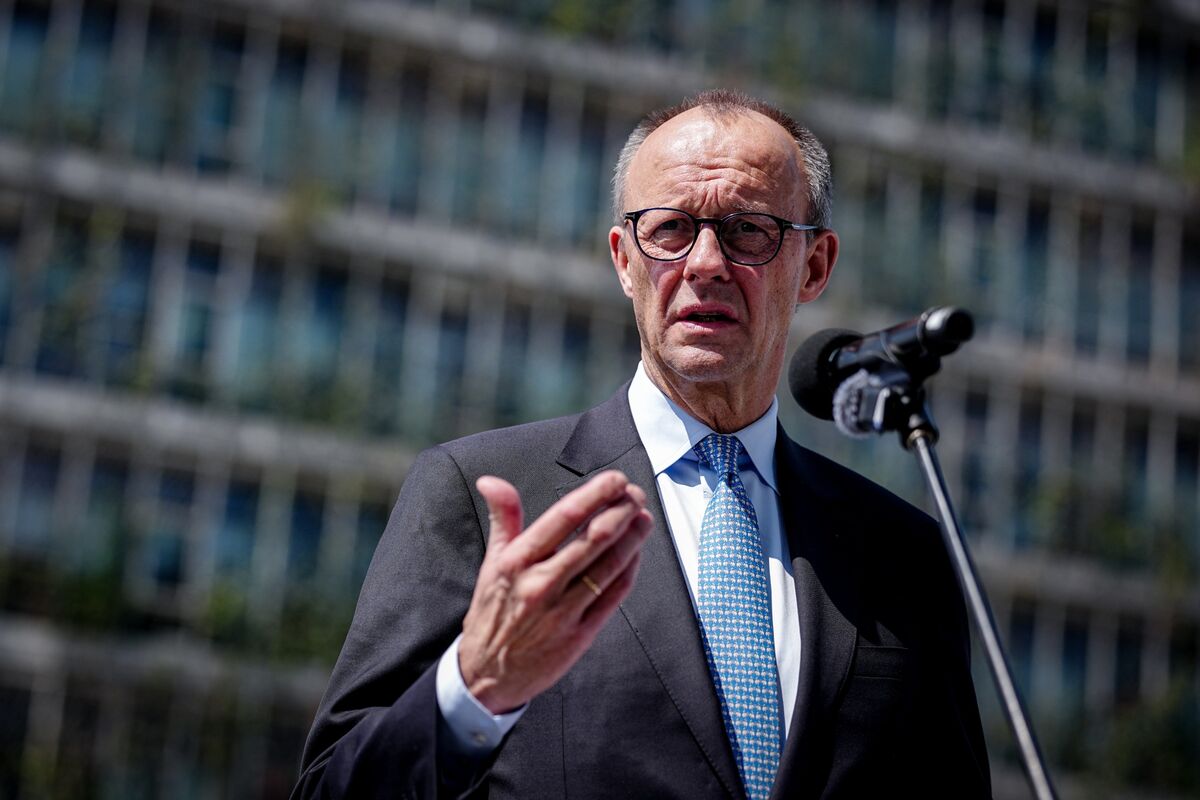
German Chancellor Friedrich Merz has stated that Iran is experiencing the “final days” of its current regime. Speaking at a recent event, Merz highlighted ongoing protests and widespread dissatisfaction among the Iranian population as indicators of the regime’s weakening grip on power. He emphasized that these demonstrations reflect a broader push for political change and increased civil liberties.
Merz’s remarks come amid increased international attention on Iran’s internal unrest and human rights issues. The protests, ignited by various factors including economic hardship and political repression, have persisted for months. Many analysts interpret these demonstrations as a sign of significant societal discontent that could lead to broader political transformation.
While the German chancellor’s comments are optimistic, they do not specify a timeline for regime change or a clear indication of imminent political collapse. Experts note that Iran’s political landscape remains complex, with the government maintaining control through security forces and institutional resilience. Nonetheless, Merz’s statements underline a growing perception among some global leaders that Iran’s current regime faces substantial internal challenges.
Overall, the situation remains fluid, with international observers closely monitoring developments within Iran. Though optimistic narratives about regime change exist, analysts caution that political shifts in such contexts can be unpredictable and gradual.