
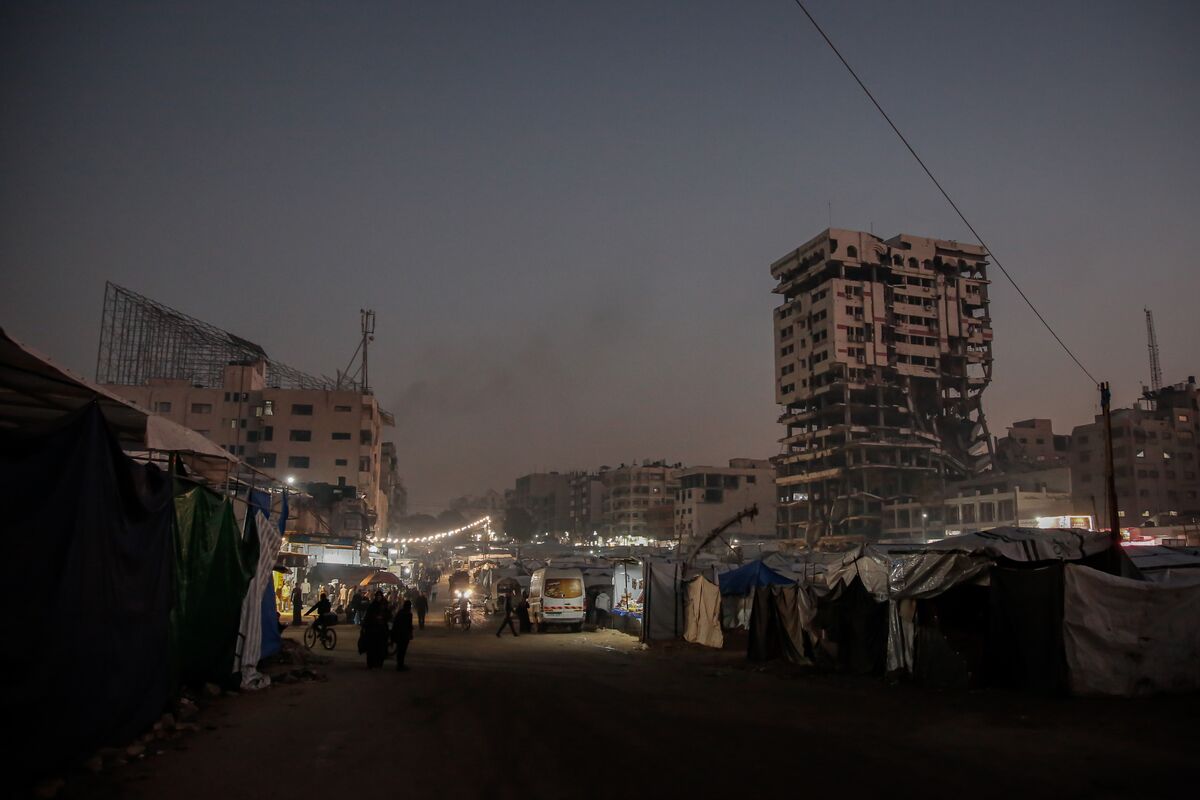
The United States announced the initiation of the second phase of President Donald Trump’s 20-point peace plan in the Gaza Strip on Wednesday. The move aims to facilitate the advancement of a fragile ceasefire amid ongoing tensions in the region. The plan, which was first introduced as part of broader efforts to promote stability, includes various political and economic measures intended to ease tensions between Israel and Palestinian factions.
This new phase comes at a critical time, as the Gaza Strip continues to experience violence and unrest. The US statement emphasized a desire to reinforce peaceful negotiations and create conditions conducive to long-term calm. However, progress remains limited, largely due to Hamas militants’ continued refusal to disarm, which has been a significant obstacle to sustainable peace.
Hamas, the de facto governing authority in Gaza, has maintained its position that disarmament must be part of any comprehensive agreement. The group has not publicly endorsed the US-led peace initiative, raising questions about the prospects for further progress under the current framework. As the situation remains tense, international observers continue to monitor developments closely.
The US’s efforts reflect ongoing diplomatic initiatives aimed at stabilizing the region, but challenges persist given the complex political landscape and the divergent interests of involved parties. The coming weeks are likely to be critical in determining whether the second phase of the peace plan can help solidify a more lasting ceasefire.