
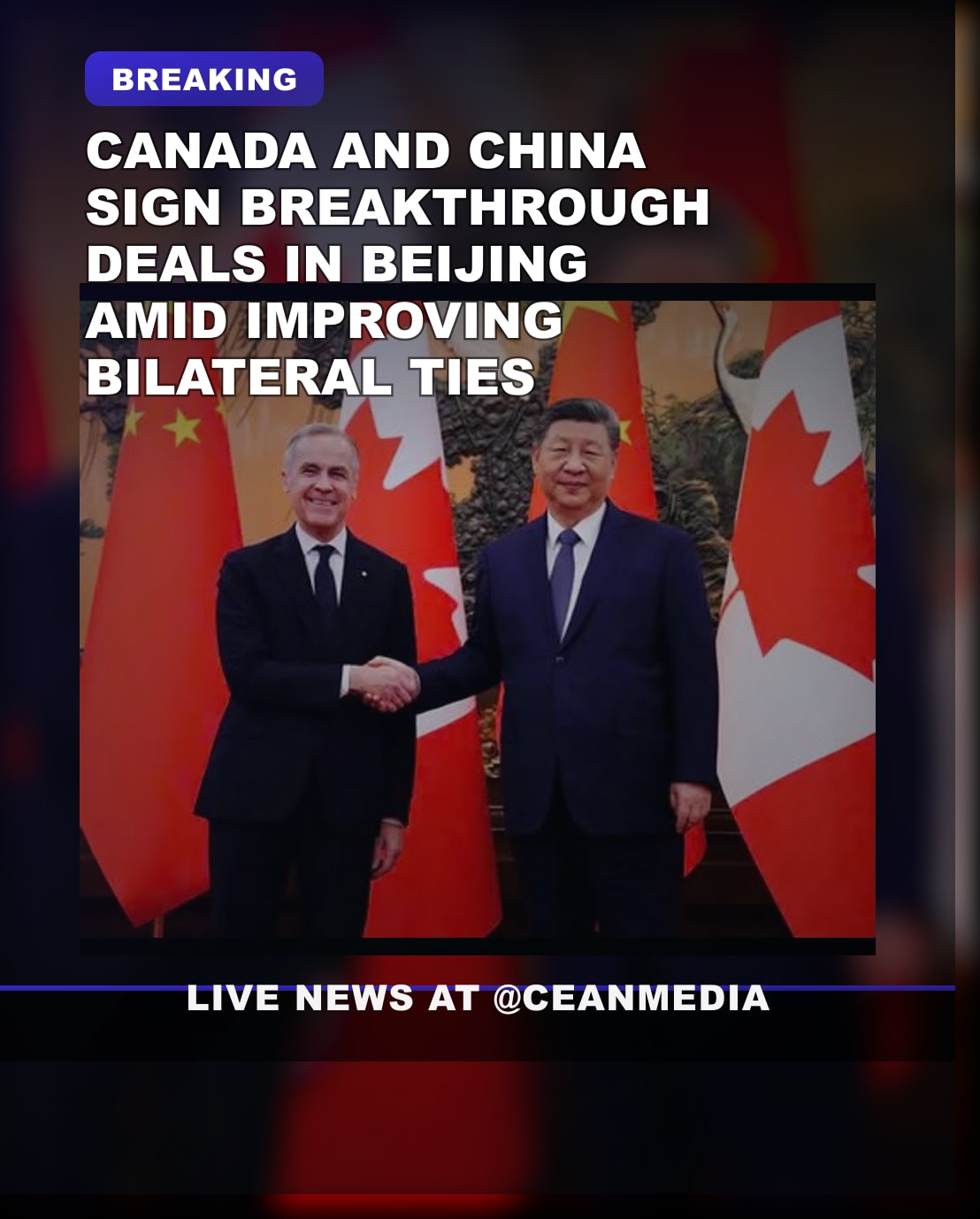
Canadian Prime Minister Justin Trudeau and Chinese President Xi Jinping met in Beijing today, marking a significant step in improving diplomatic relations between the two countries. The meeting resulted in the signing of several important agreements aimed at fostering economic ties and cooperation. This dinner follows a period of tense interactions, signaling a potential reset in bilateral relations.
One of the notable deals includes Canada’s decision to allow up to 49,000 Chinese electric vehicles into its market at a preferential tariff rate. The move is seen as part of Canada’s efforts to promote renewable energy and sustainable transportation, while also expanding market access for Chinese automakers. This trade facilitation is likely to bolster economic cooperation, especially in the green technology sector.
The meeting was characterized by a pragmatic tone, with both leaders emphasizing mutual interests and future collaboration. Officials from both nations indicated that the agreements could pave the way for further negotiations on trade, investment, and other areas of strategic importance. While the relationship had experienced strains in recent years, today’s talks appear to signal a willingness to rebuild trust and explore new avenues for cooperation.
Overall, the meeting in Beijing underscores a renewed diplomatic engagement between Canada and China. The agreements signed, including the market access for electric vehicles, suggest a possible thaw in diplomatic relations and a focus on economic opportunities that benefit both nations. However, analysts note that ongoing geopolitical concerns may continue to influence the relationship in the future.