
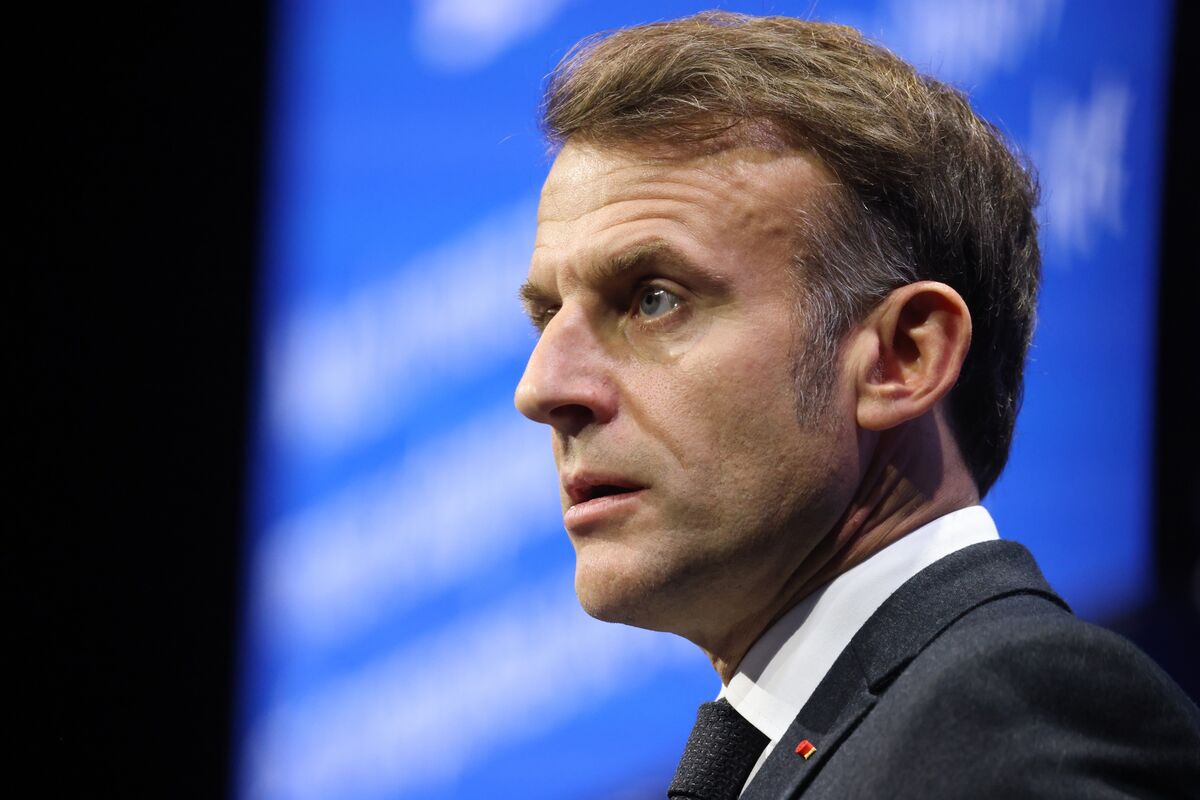
French President Emmanuel Macron plans to request the activation of the European Union’s anti-coercion instrument in response to the recent announcement by U.S. President Donald Trump of new tariffs on European countries over Greenland. The move comes amid mounting tensions between the United States and European nations regarding trade policies and tariffs.
Macron’s office indicated that the German government is also involved in discussions about potential coordinated EU responses to the tariffs, which Trump cited as measures to protect U.S. interests related to Greenland’s sovereignty and resources. European officials have expressed concerns about the impact of the tariffs on transatlantic trade and the broader economic relationship.
The EU’s anti-coercion instrument is designed to counteract measures that unfairly target European trade or economic interests. The activation of this mechanism would mark a significant step in the EU’s effort to defend its members’ economic interests against unilateral U.S. trade actions.
The U.S. tariffs on European imports, announced shortly after Trump’s comments on Greenland, have heightened diplomatic tensions and risk complicating ongoing negotiations on trade and climate policies. European leaders are expected to discuss further diplomatic efforts to resolve the dispute while considering possible retaliatory measures.