
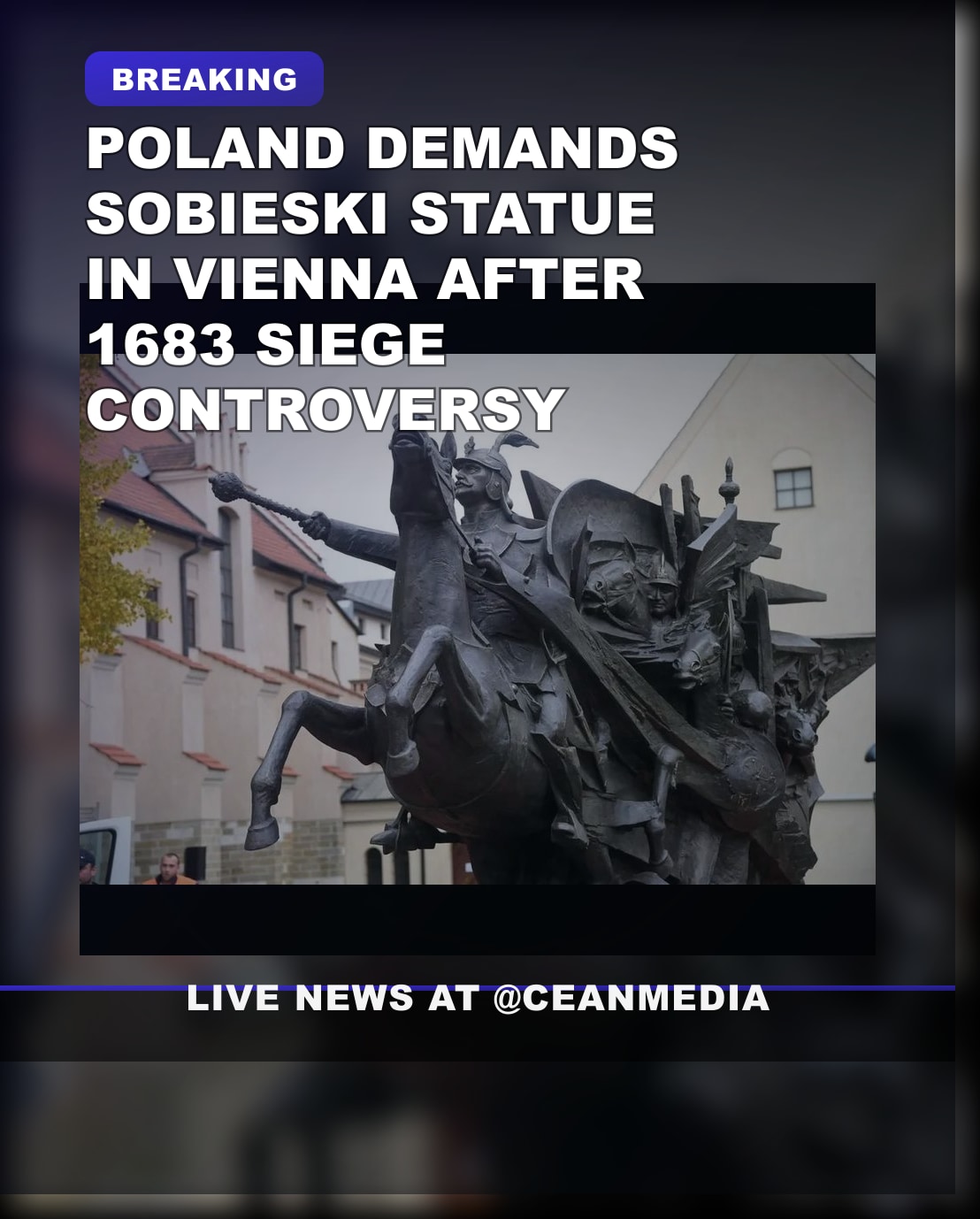
The debate over the planned Sobieski statue in Vienna has resurfaced following statements from Poland’s ambassador, prompting renewed controversy. The ambassador asserted that Poland was assured the monument would be erected at the site of King John III Sobieski’s historic victory over the Ottoman Empire during the 1683 Siege of Vienna. The statue is intended to honor Sobieski’s role in defending the city and Europe from Ottoman advances.
Initially, the project garnered support from some Polish officials and cultural advocates who emphasized its symbolic importance. However, Vienna officials reversed their stance in 2024, citing concerns over the statue’s perceived message. City authorities described the proposed monument as “Islamophobic,” arguing that it could be interpreted as antagonistic toward Islam and potentially inflame tensions.
The decision has sparked debate among historians, civic groups, and diplomatic representatives. Critics of the move question whether the statue’s placement might promote a selective or provocative narrative of history. Meanwhile, supporters contend it recognizes a significant moment of European resilience and military history.
As the controversy continues, discussions about historical memorials, cultural sensitivities, and diplomatic relations are likely to persist. The Vienna authorities have yet to specify alternative plans concerning public monuments related to historical victories, but the Sobieski statue remains a focal point of cultural debate.