
Published 2026-02-13
Summary: The Trump administration has rescinded the Environmental Protection Agency’s 2009 endangerment finding that classified greenhouse gases as a threat to public health and welfare, a move that underpinned federal regulations targeting emissions from vehicles and other sources. The action signals a rollback of regulatory foundations built on that finding.
What We Know
- The EPA’s 2009 endangerment finding on greenhouse gases has been rescinded by the current administration.
- The endangerment finding had previously classified carbon dioxide and five other greenhouse gases as a threat to public health and welfare.
What’s Still Unclear
- Exact legal mechanism or order used to rescind the finding (whether it repeals the finding itself or specific regulations tied to it).
- The full scope of regulatory changes that accompany the rescission and their practical impact on ongoing or planned rules.
- Specific date and procedural steps beyond the February 12, 2026 reporting references.
- Any immediate compliance deadlines or transitional rules for regulated entities.
Context
General background: Endangerment findings are a key scientific and regulatory basis used to justify air quality and greenhouse gas regulations. When such a finding is rescinded, it can alter or remove the legal framework for federal climate-related rules. This development interacts with broader U.S. climate policy debates and regulatory priorities across federal agencies.
Why It Matters
The move could shift how federal agencies regulate emissions from vehicles and other greenhouse gas sources, potentially affecting regulatory certainty and enforcement. It also signals a significant policy shift in federal climate governance and the balance between environmental protection and regulatory rollback interests.
What to Watch Next
- Official agency announcements detailing the rationale and procedural steps for the rescission.
- Any subsequent guidance or rulemaking related to greenhouse gas regulations.
- Reactions and analyses from lawmakers, industry groups, and public health advocates.
- Legal challenges or court actions related to the rescission and its regulatory effects.
FAQ
Q: What does rescinding the endangerment finding imply for existing greenhouse gas regulations?
A: It could remove the regulatory basis that underpinned certain federal rules targeting greenhouse gas emissions, though the exact implications depend on the specific legal and regulatory steps taken to rescind.
Q: Will this lead to immediate changes for businesses and consumers?
A: Not confirmed in the available information; implications hinge on subsequent rulemaking and enforcement changes.
Related coverage
- Harrow Cuts Fees to Boost Local Enrollment: school tuition
- FBI Probes Georgia Election Improprieties: Ballots Seized
- U.S. Intercepts Shadow Fleet Tanker Interception Violating
Source Transparency
- This article is based on a short preliminary brief and may not reflect the full details available in ongoing reporting.
- Source links are provided in the Sources section where available.
- A limited open-web check was used to clarify key details when possible; unclear items remain clearly marked.
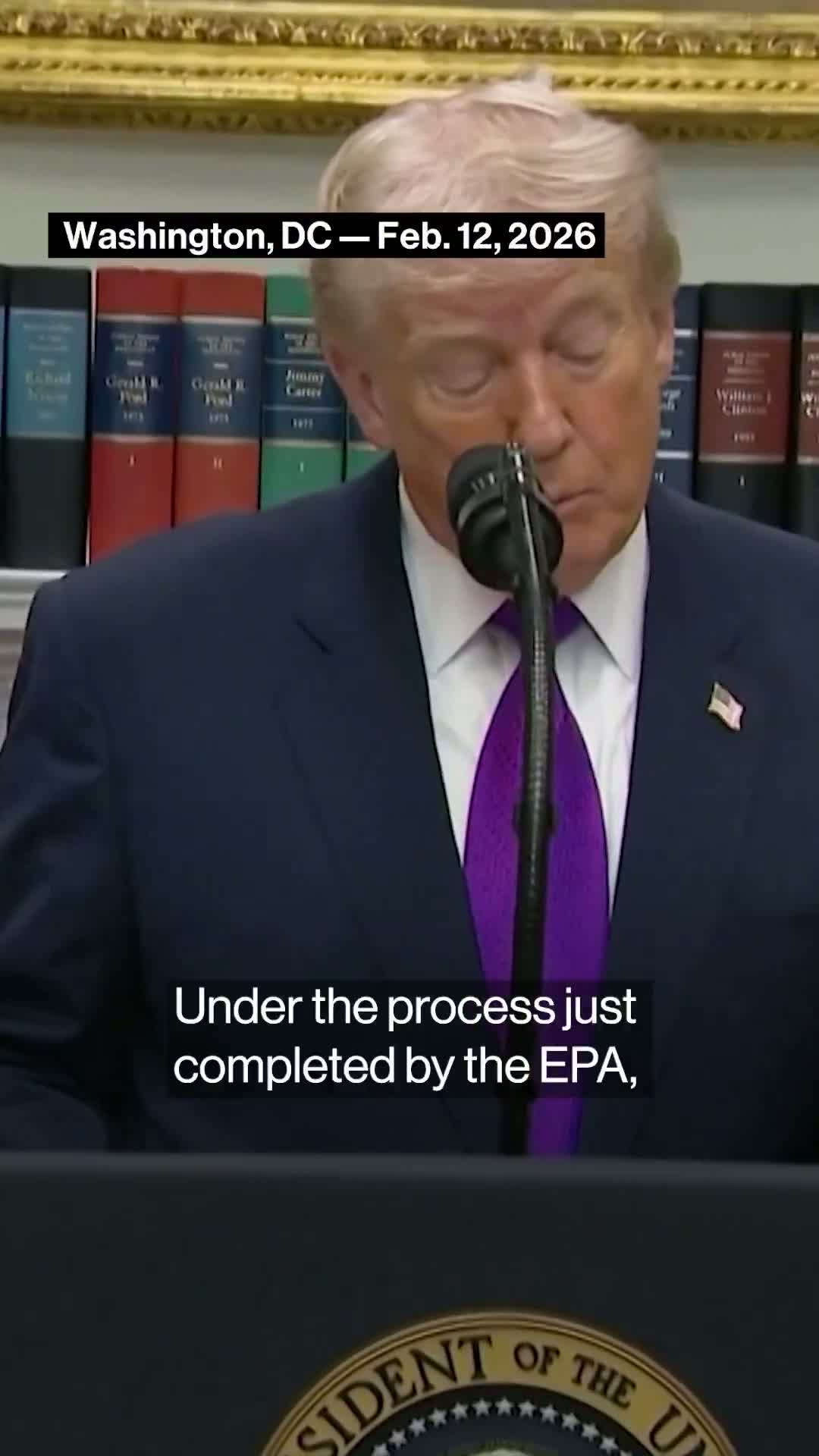
Original brief: President Trump announced his administration has rescinded the endangerment finding, a landmark scientific determination that greenhouse gases pose a threat to human health and welfare
http://
bloom.bg/4tyq5rP
Sources
- Trump's EPA revokes the “endangerment finding” on greenhouse gases …
- Trump revokes EPA endangerment finding on greenhouse gas emissions – CNBC
- EPA rescinds landmark 2009 'endangerment finding' on greenhouse gases …
- Trump's EPA revokes scientific finding that underpinned US fight …
- Trump repeals landmark climate finding. What to know.