
Published 2026-02-23

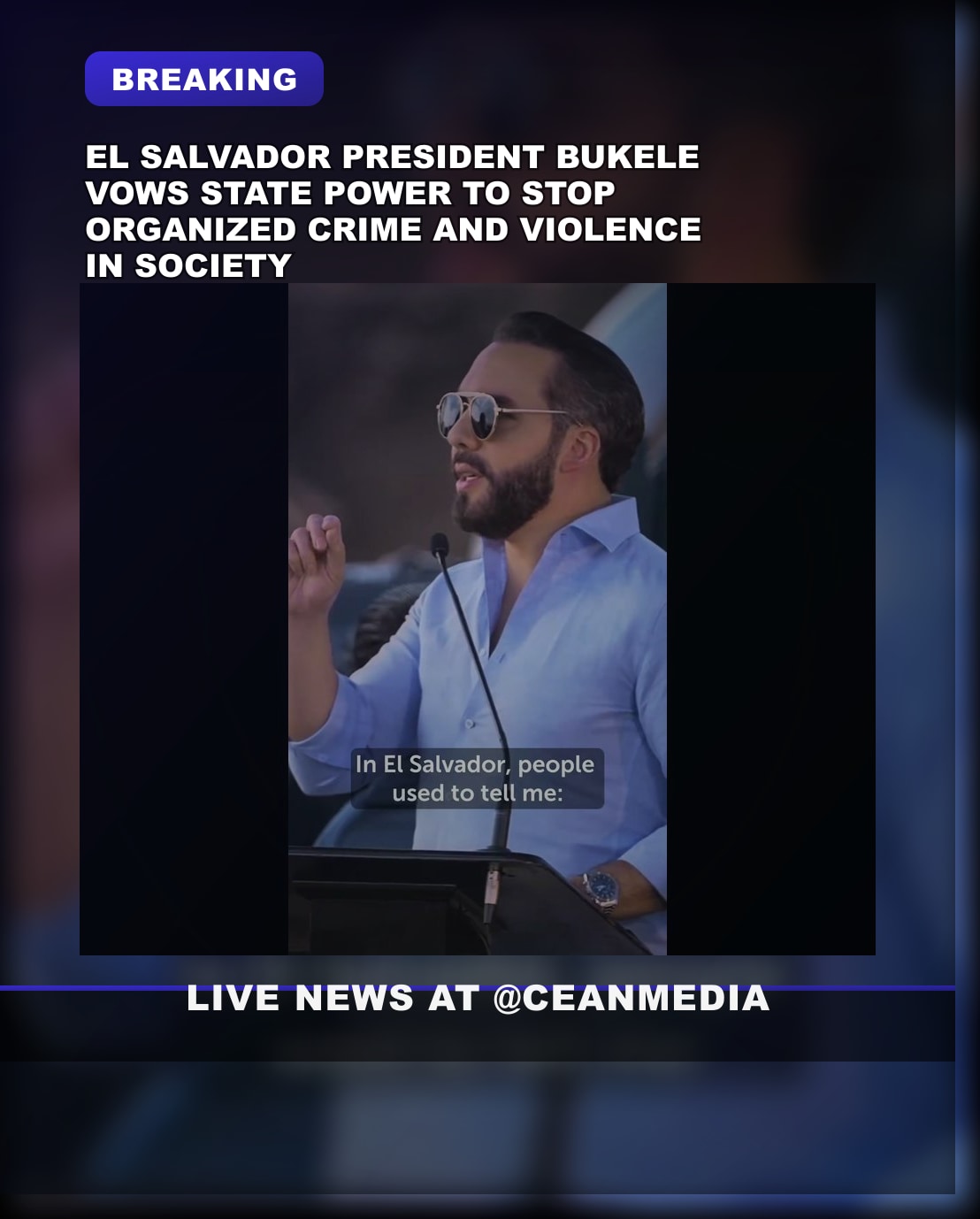
Summary: El Salvador’s president Nayib Bukele has framed the use of state strength as essential to curb organized crime and mass violence, a stance that aligns with his broader security approach described as crackdowns and territorial control measures aimed at dismantling gangs.
What We Know
- Bukele has described the state’s willingness to deploy its strength as key to stopping organized crime and mass violence.
- Analyses and summaries describe a security approach involving crackdowns, mass arrests, and mega-jail-type measures against gangs and crime in El Salvador.
- There are reports of a territorial control strategy being associated with Bukele’s security policy, claimed to have transformed the country’s security landscape.
- Some sources mention informal or unofficial negotiations with criminal organizations as part of the evolving security dynamic.
- Context from regional analyses notes a tension between hard-line state measures and the broader stability efforts in the region.
What’s Still Unclear
- Whether Bukele’s stated emphasis on state strength is backed by verifiable outcomes beyond claims of reduced crime or violence.
- The exact mechanisms, scope, and legality of alleged unofficial negotiations with gangs.
- How different observers assess the long-term sustainability and human rights implications of the security approach.
- Specific data or figures about crime trends or arrests referenced by supporters or critics.
Context
General background: In several Latin American countries, governments have pursued aggressive security strategies to collapse organized crime networks. These approaches often balance public safety goals with concerns about civil liberties and due process. The discourse around state strength and security strategies tends to involve debates over effectiveness, human rights, and long-term legitimacy.
Why It Matters
Understanding whether strengthened state power translates into meaningful reductions in crime and violence has implications for policy decisions, governance legitimacy, and regional stability. The discussion also touches on the trade-offs between decisive security actions and potential rights-based concerns.
What to Watch Next
- Monitoring independent assessments of crime and violence trends in El Salvador in the near term.
- Analysis of how any unofficial negotiations with criminal groups influence security outcomes and governance legitimacy.
- Evaluations of the sustainability and human rights impact of territorial control and mass-arrest strategies.
- Updates on regional responses to Bukele’s security model and its replication or rejection in neighboring countries.
FAQ
Q: What does “state strength” refer to in this context?
A: It refers to the use of state institutions and resources—typically security forces and legal mechanisms—to confront organized crime and reduce violence, as described in the available summaries.
Q: Are there concrete outcomes cited for the security approach?
A: The available information notes claims of transformation and crackdown measures, but specific, verifiable outcome data are not provided in the sources excerpted here.
Related coverage
- Tariffs impact reversal winners: Hard-hit nations rise
- ICC hearing to decide if Duterte crimes against humanity
- Online vulnerability of young men: exposure across forums,
Source Transparency
- This article is based on a short preliminary brief and may not reflect the full details available in ongoing reporting.
- Source links are provided in the Sources section where available.
- A limited open-web check was used to clarify key details when possible; unclear items remain clearly marked.
Original brief: Bukele just stated that being willing to use the strength of the state is key to successfully stopping organized crime and mass violence in a society…
Sources
- The Burgeoning Regional Appeal of Mano Dura Crime-Fighting … – CSIS
- Bukele's Territorial Control Plan Transforms El Salvador's Security
- Nayib Bukele: There Is No State That Cannot Eliminate Crime
- How El Salvador's Crackdown Succeeded Where Others Failed
- Crime and Punishment: The Bukele Doctrine – FOREIGN AFFAIRS REVIEW